Ageing, Digital Accessibility and Healthcare
Introduction
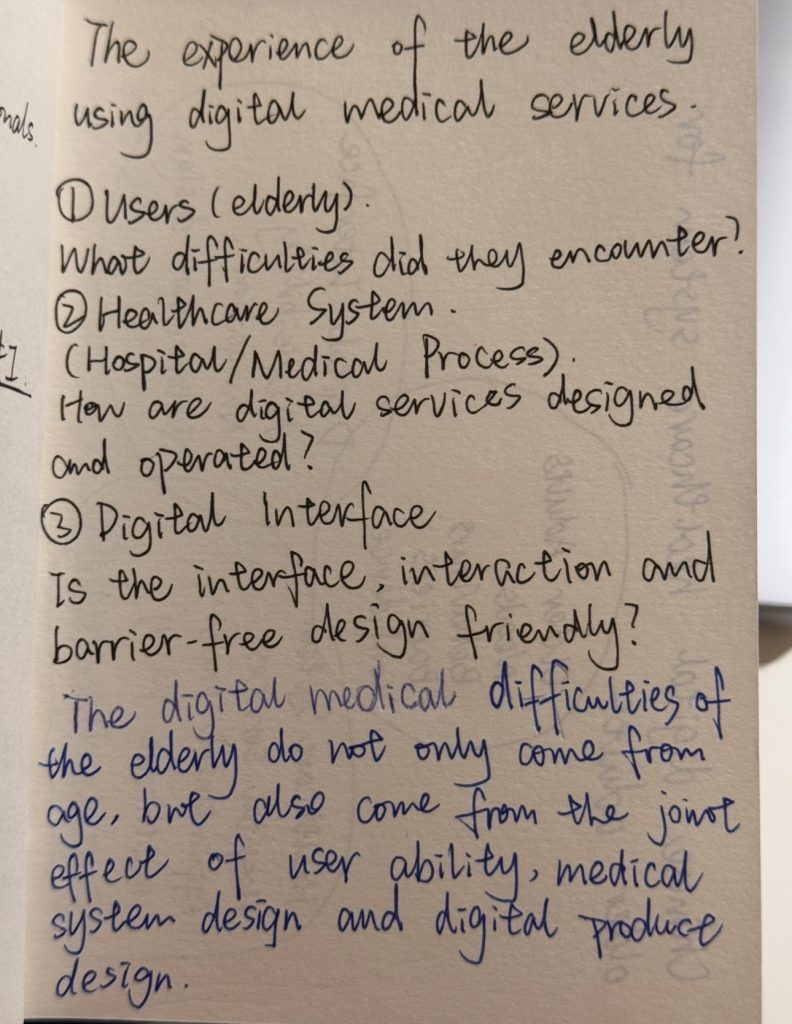
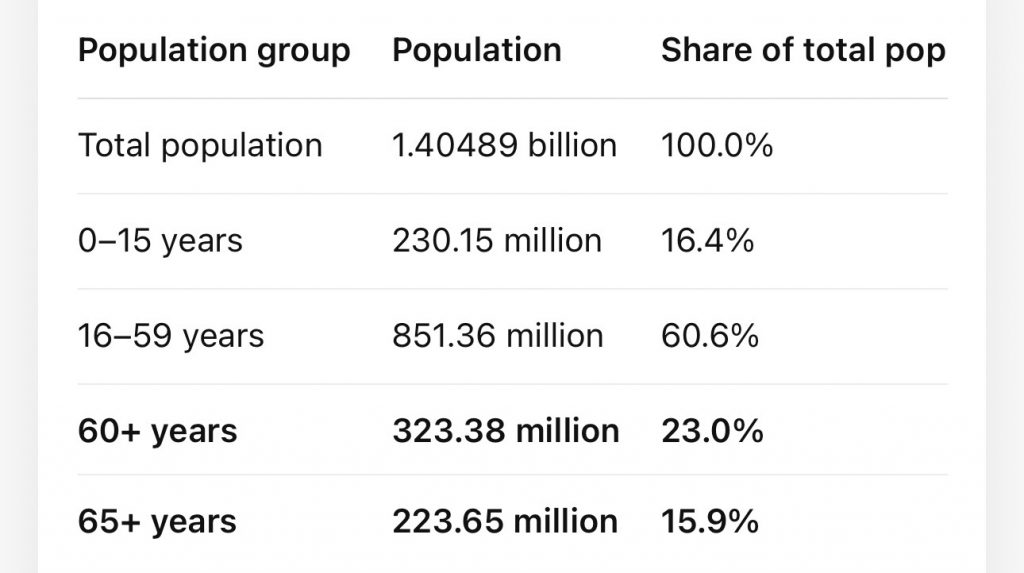
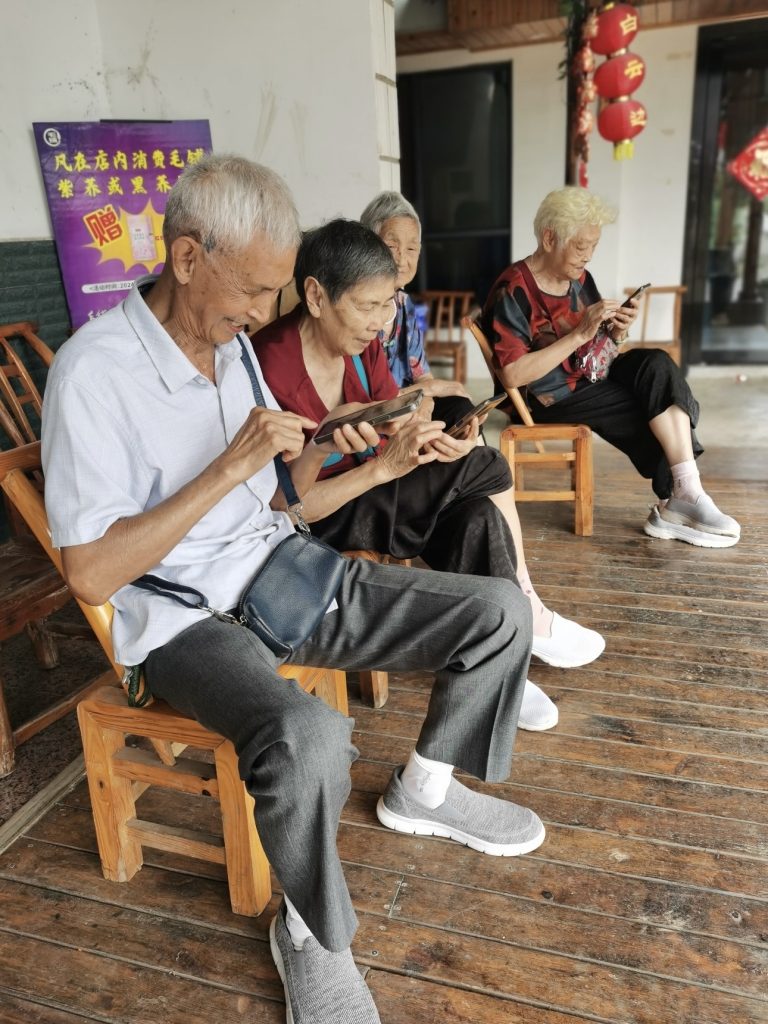
I started this project with a fairly simple assumption: older people can struggle with digital healthcare because they are less confident or less experienced with technology. My early research therefore focused on digital literacy and the difficulties older adults face when using hospital apps, online appointment systems and self-service machines.
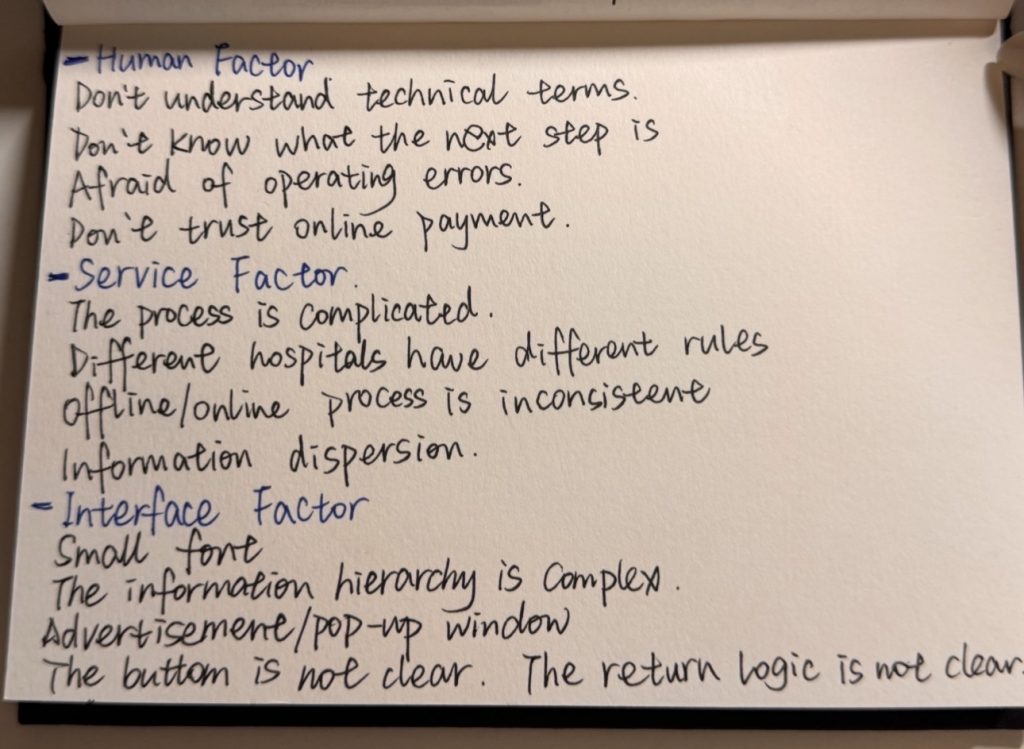
As the project developed, this assumption became less convincing. I started to notice that the problem was not always the technology itself. Sometimes it was the language used by the system, the number of choices, the lack of clear directions, or simply not knowing what to do next. I also realised that older people have very different physical and cognitive abilities, so treating “older adults” as one user group was too broad.
A further development in my research came from comparing healthcare experiences in China and the UK. I noticed that the healthcare journey itself is structured differently in the two countries. In the UK, people will normally contact a GP as their first point of contact for non-emergency healthcare, and the GP may then refer them to a specialist or hospital when necessary. In China, patients can generally go directly to a hospital and register for a specialist department without going through the same GP referral process.
This difference made me realise that accessibility is not only a question of whether someone can use a digital interface. It is also shaped by how the healthcare system is organised and by how many decisions a patient has to make before receiving care.
Research Question
My current question is:
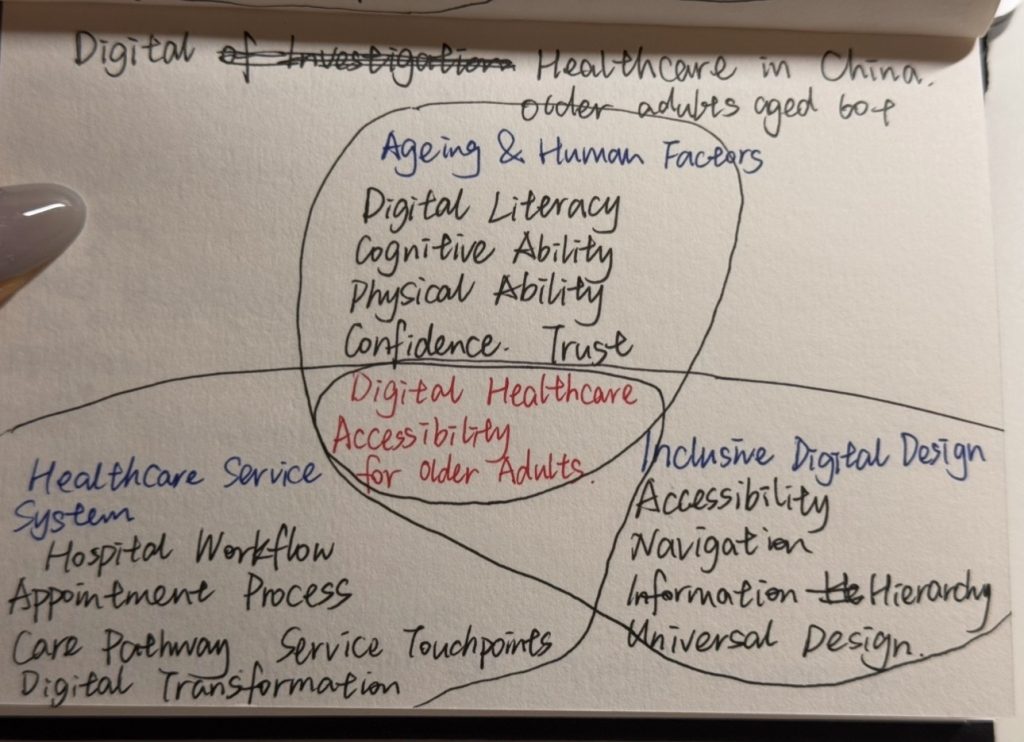
How can make healthcare journeys more accessible and inclusive for older adults with different physical, cognitive and digital abilities?
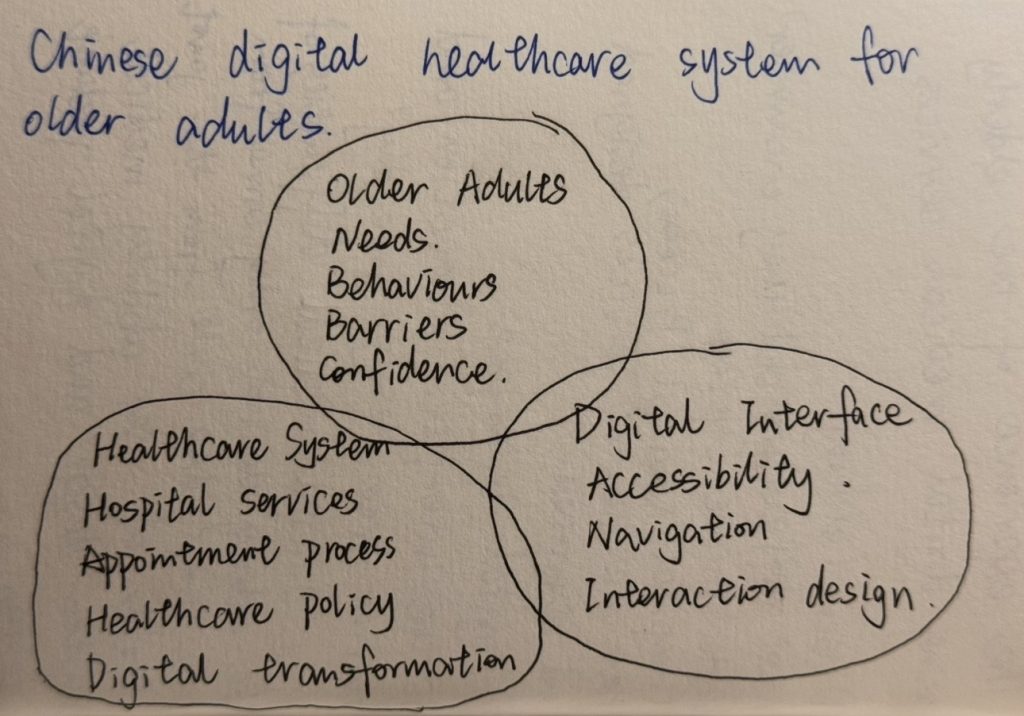
This question has changed from my original focus on digital literacy. The change did not happen at one particular moment. It developed through tutorials, mapping, testing, comparison between healthcare systems and conversations with people working in healthcare.This question is far from my first idea. Through tutorial, mapping, triangulation, testing and communication with medical staff, I began to realize that it may be a problem in itself to simply regard “older adults” as a group that does not use technology.
In my tutorials, I was encouraged to move away from simply identifying that older people have difficulty using healthcare apps and to look more closely at communication barriers within digital healthcare. I began mapping the healthcare ecosystem and using triangulation to compare the perspectives of older adults, healthcare services and inclusive design.
The China–UK comparison added another layer to this. I began to understand that what looks like a digital problem may sometimes actually be a service pathway problem.
Research Methodology
I have used a combination of secondary research, interviews, observation, mapping and small-scale intervention testing. I used triangulation because I did not want my understanding of the problem to depend on one perspective.
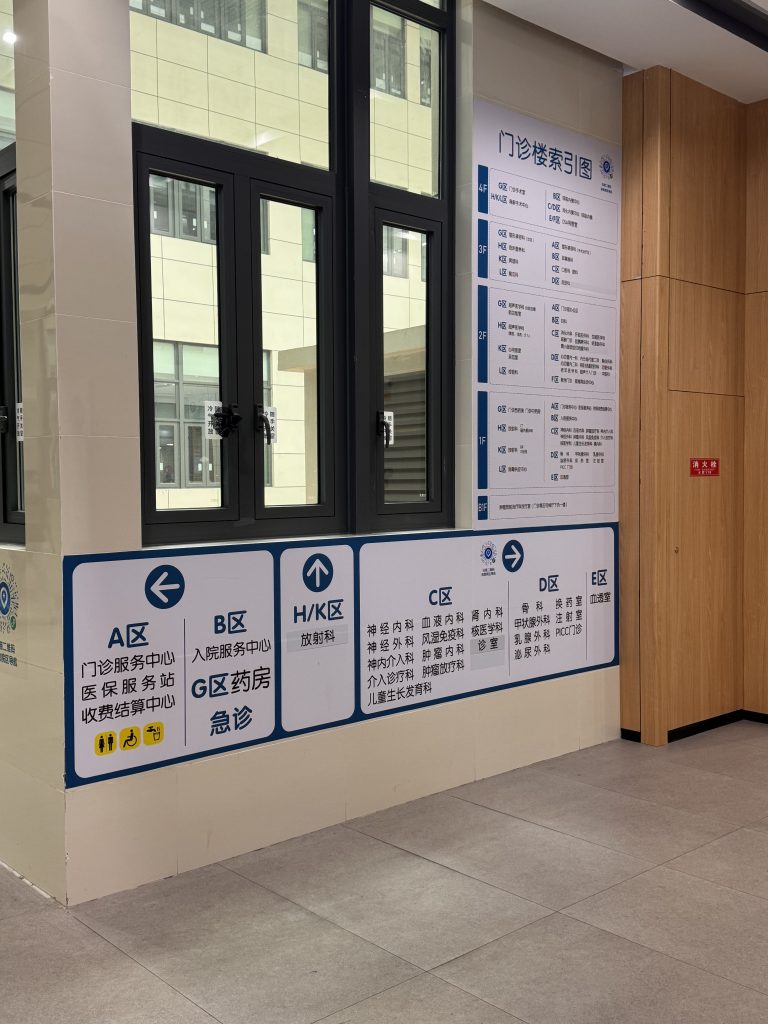
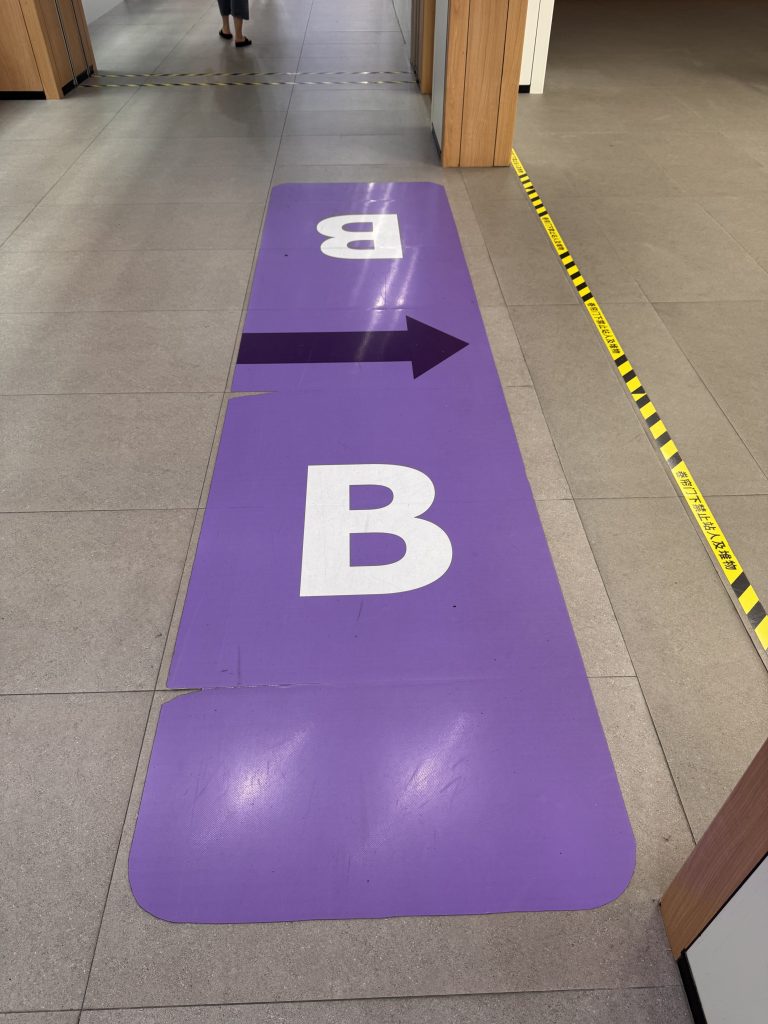
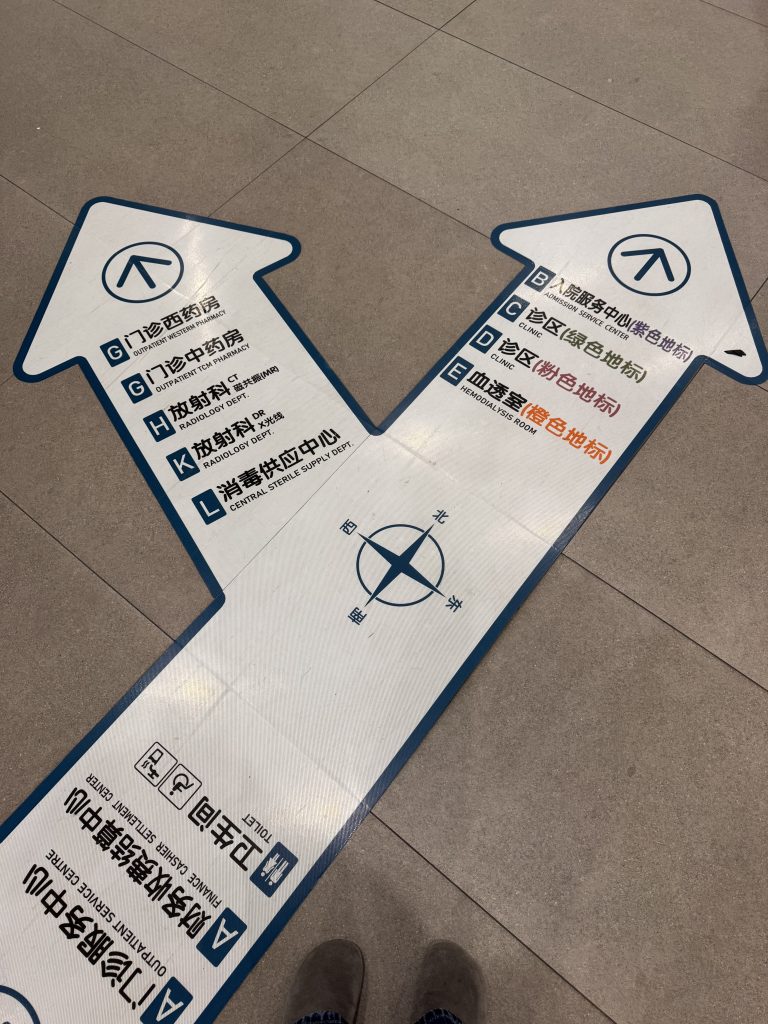
My intervention was particularly useful because it allowed me to move from talking about accessibility to observing it. I asked four participants with different levels of digital experience to complete hospital-related tasks, including finding a department and navigating an appointment process. I first observed how they interacted with an existing interface and then compared this with a simplified version.
The test was small and cannot represent all older adults. However, it helped me identify specific moments of difficulty. Participants hesitated when medical terminology was unfamiliar, when there were too many options, and when the next step was not obvious. When the language, choices and visual pathway were simplified, the tasks became easier to follow.
This made me question my original interpretation of the problem. The issue was not simply whether someone was “good” or “bad” at using technology. The design of the healthcare communication itself affected how easily the task could be completed.
Research and Turning Points
The literature has helped me place these observations within a wider discussion of ageing and inclusive design.
The World Health Organization’s approach to healthy ageing has been useful because it focuses on functional ability rather than seeing ageing simply as physical or cognitive decline. This relates to my own research because an older person’s ability to access healthcare depends on the relationship between the person and their environment.
Mannheim et al. (2023) also made me question the category of the “older user”. Their review discusses ageism within the design of digital technologies for older people and made me more aware of the danger of assuming that older adults are automatically less capable with technology. This is relevant to my own intervention because the participants did not all experience the interface in the same way.
Norman (2013) influenced how I interpreted my test. Instead of immediately blaming the user’s lack of digital confidence, I began to look at whether the system communicated clearly enough. This shifted my attention towards the relationship between human ability and system design.
Another useful source was Shi et al. (2024), whose scoping review identifies digital health literacy among older adults as something influenced by social support, technology use and the wider environment, rather than simply individual ability. This became particularly relevant to my research because I began to recognise that family members, volunteers and healthcare workers can all become part of an older person’s interaction with healthcare technology.
Comparing China and the UK
One of my larger findings has come from comparing the healthcare pathways I have experienced and researched in China and the UK.
In the UK, the GP plays an important role as the first point of contact for most non-emergency healthcare. A patient may need to discuss their symptoms with a GP before being referred to a hospital specialist. This creates a particular pathway:
Patient → GP → Referral → Hospital / Specialist → Further treatment
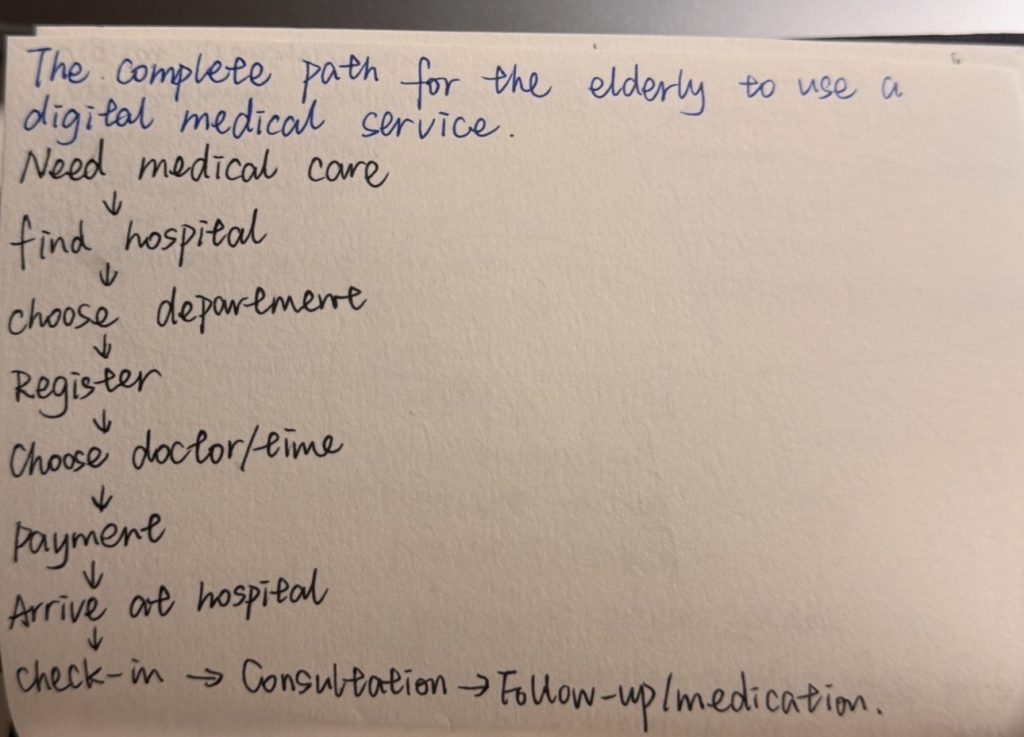
In China, the pathway can be more direct. Patients can generally choose a hospital and register with a specialist department directly:
Patient → Hospital → Department / Specialist → Further treatment
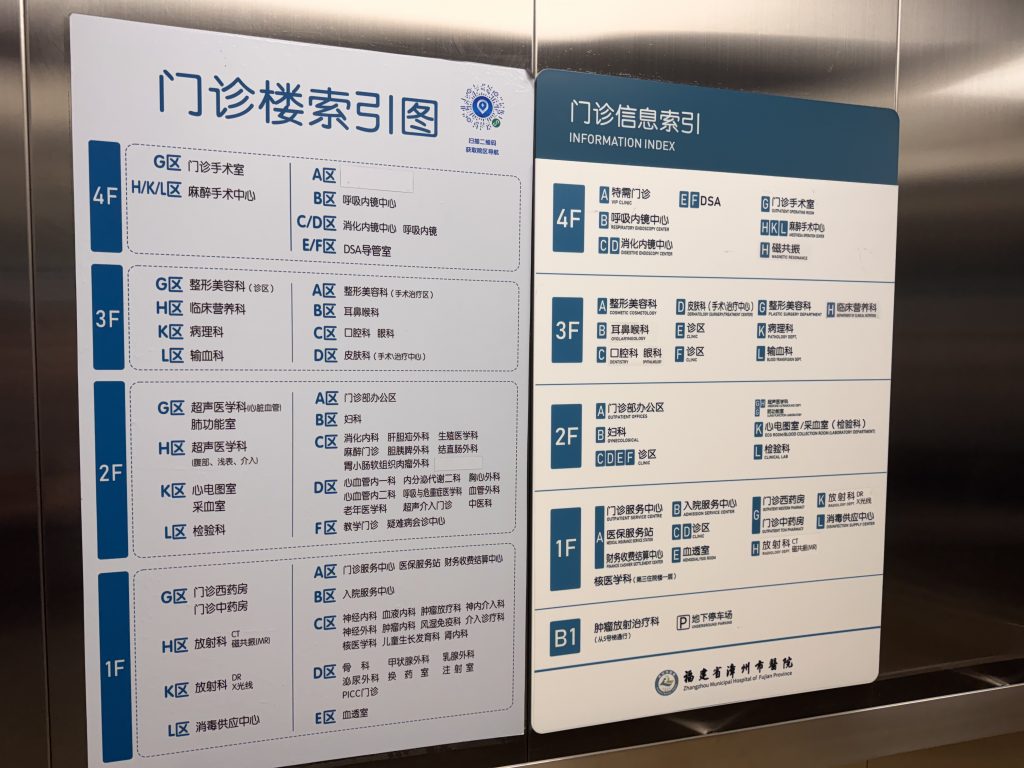
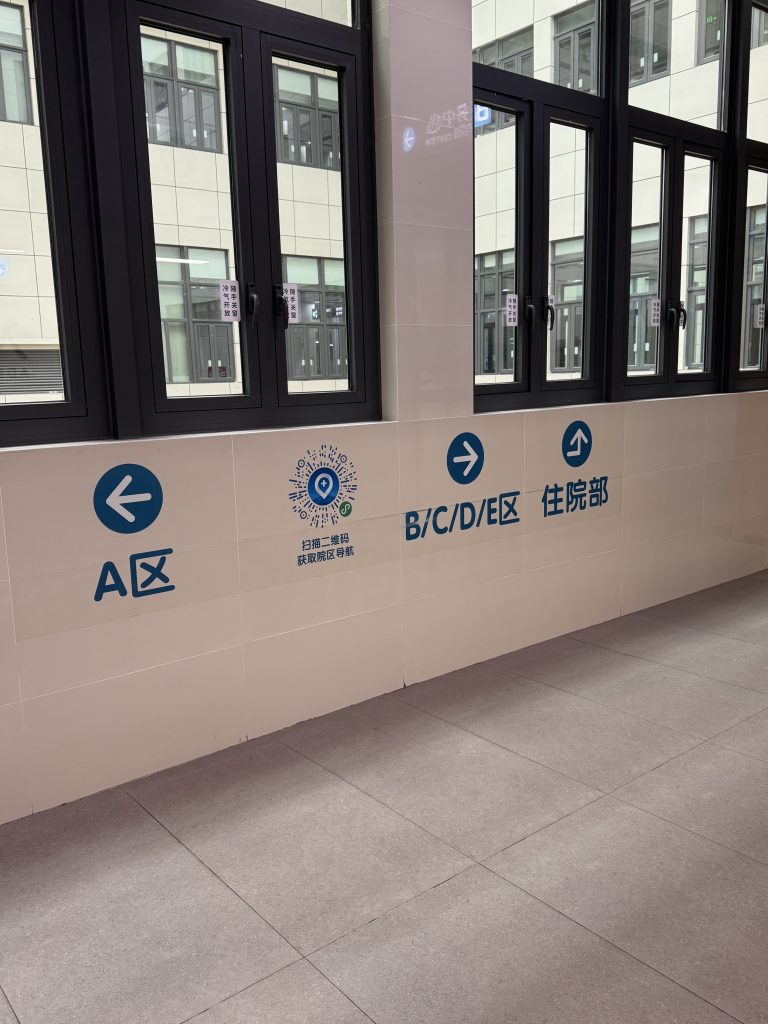
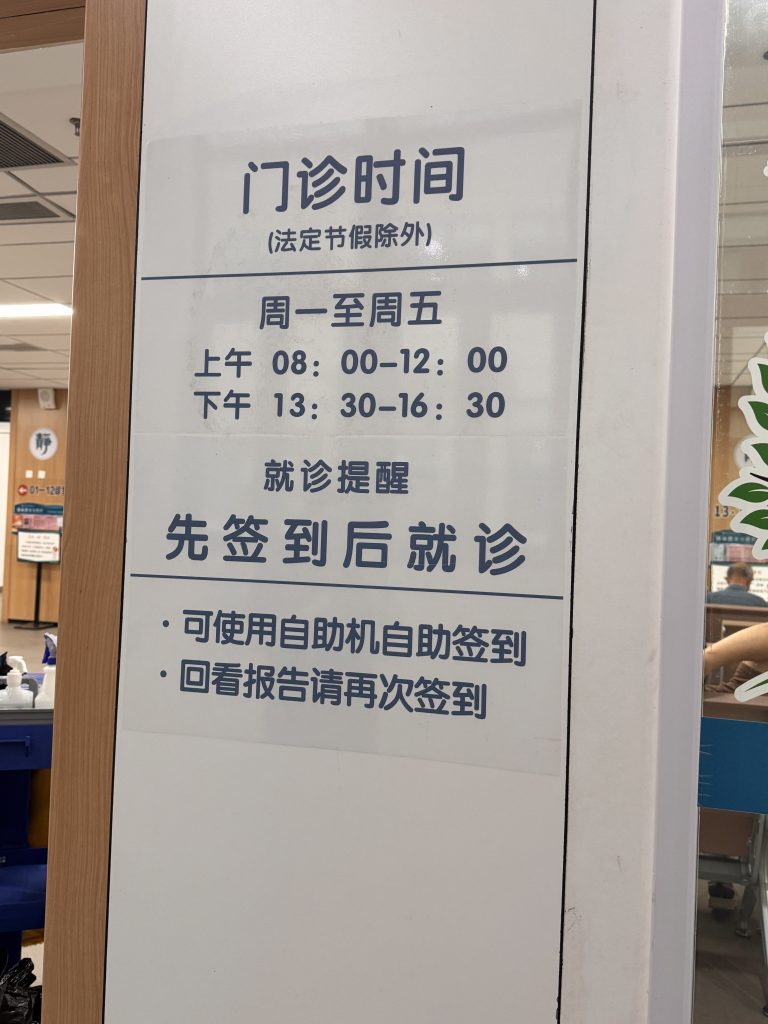
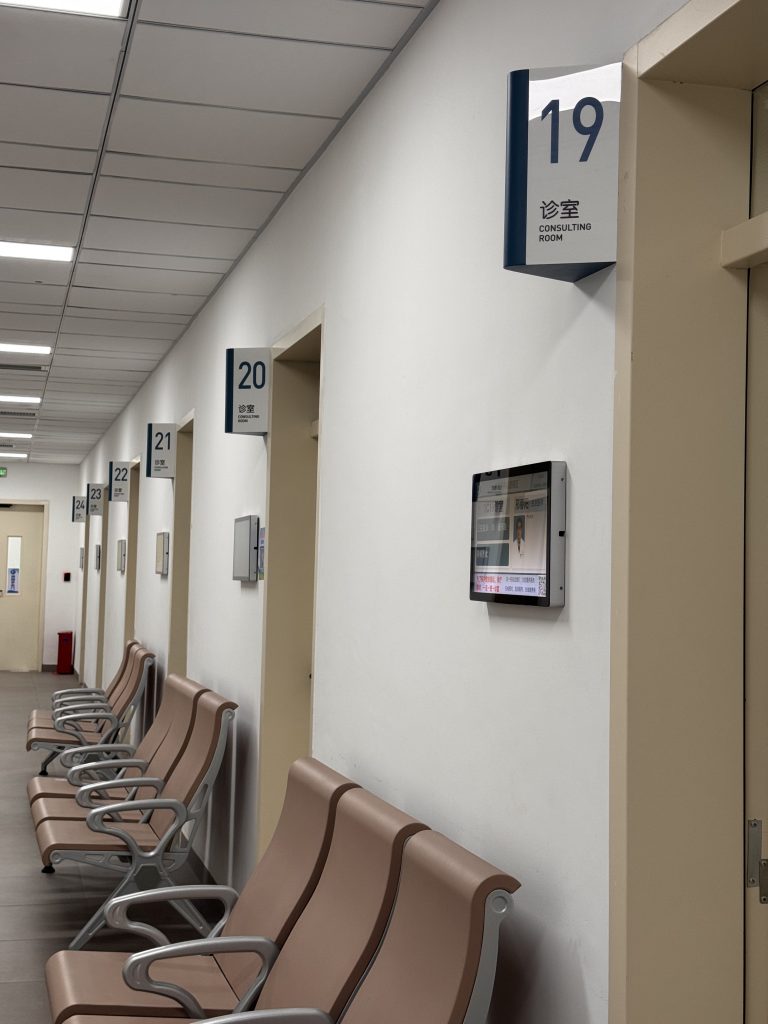
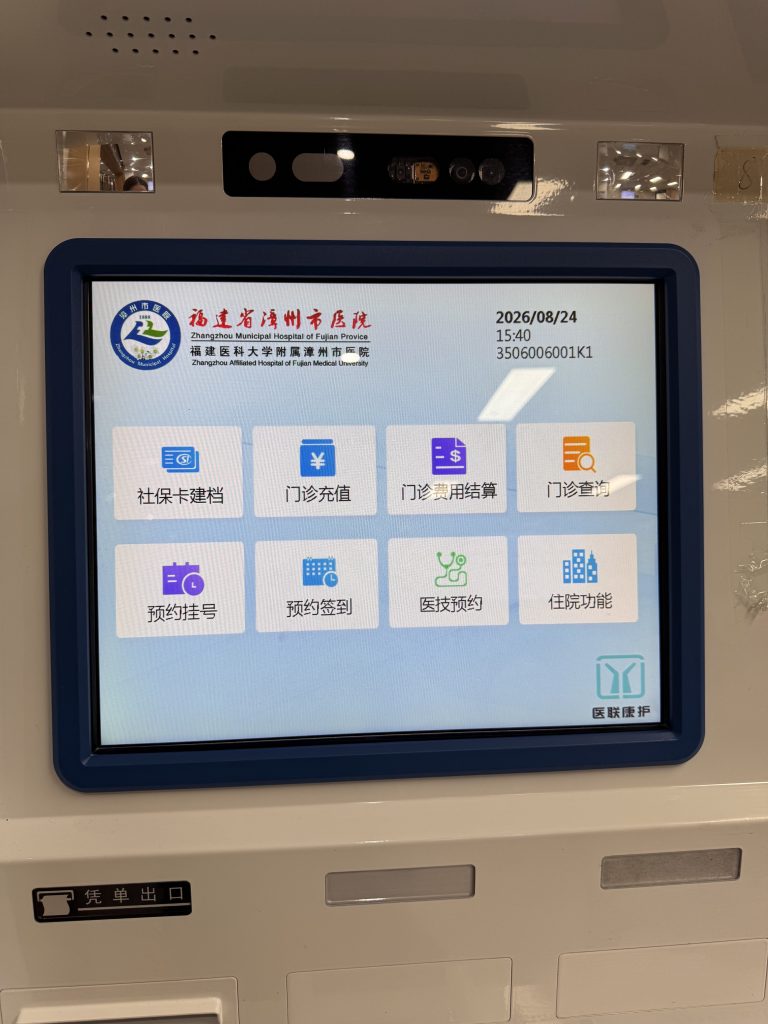
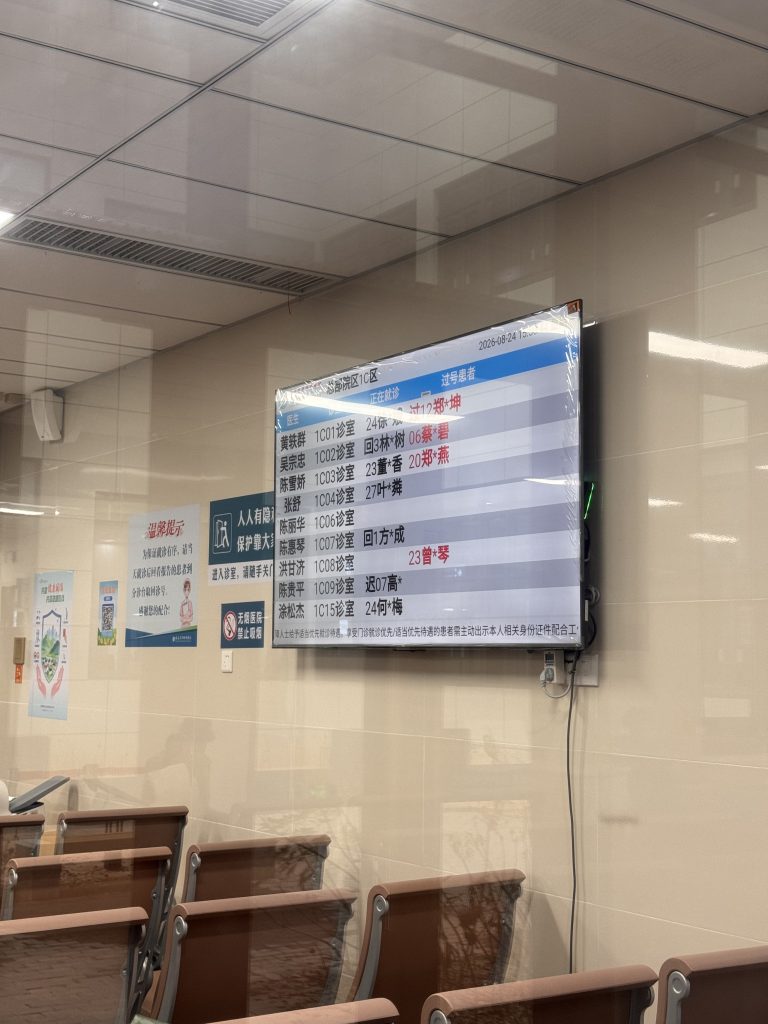
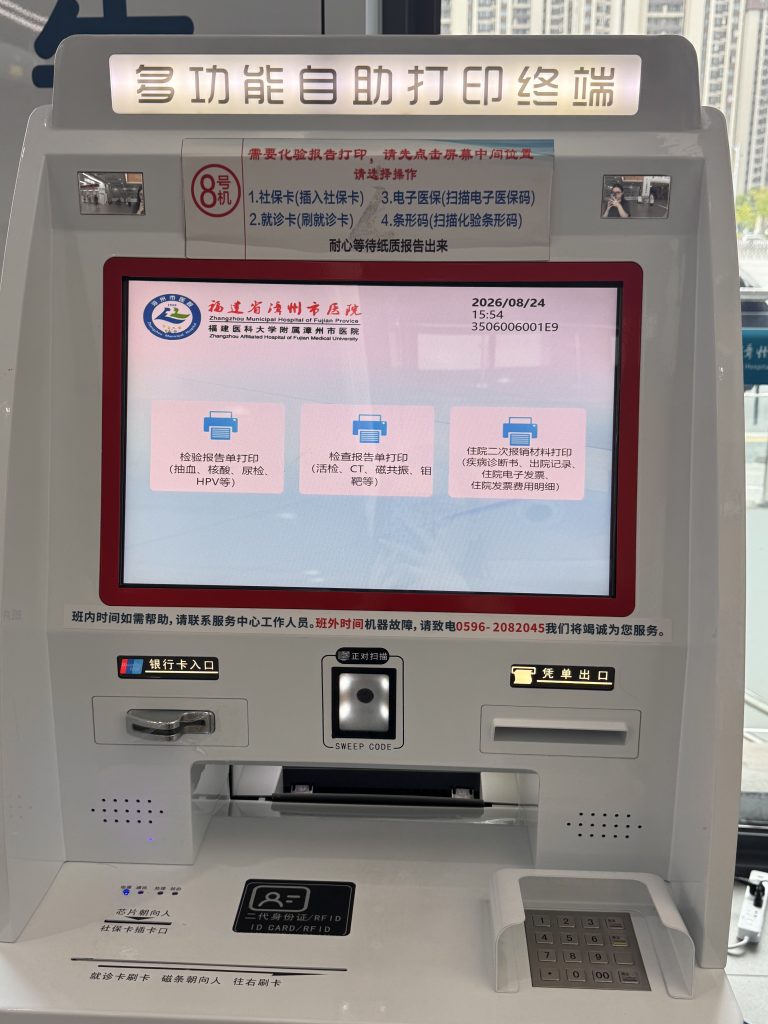
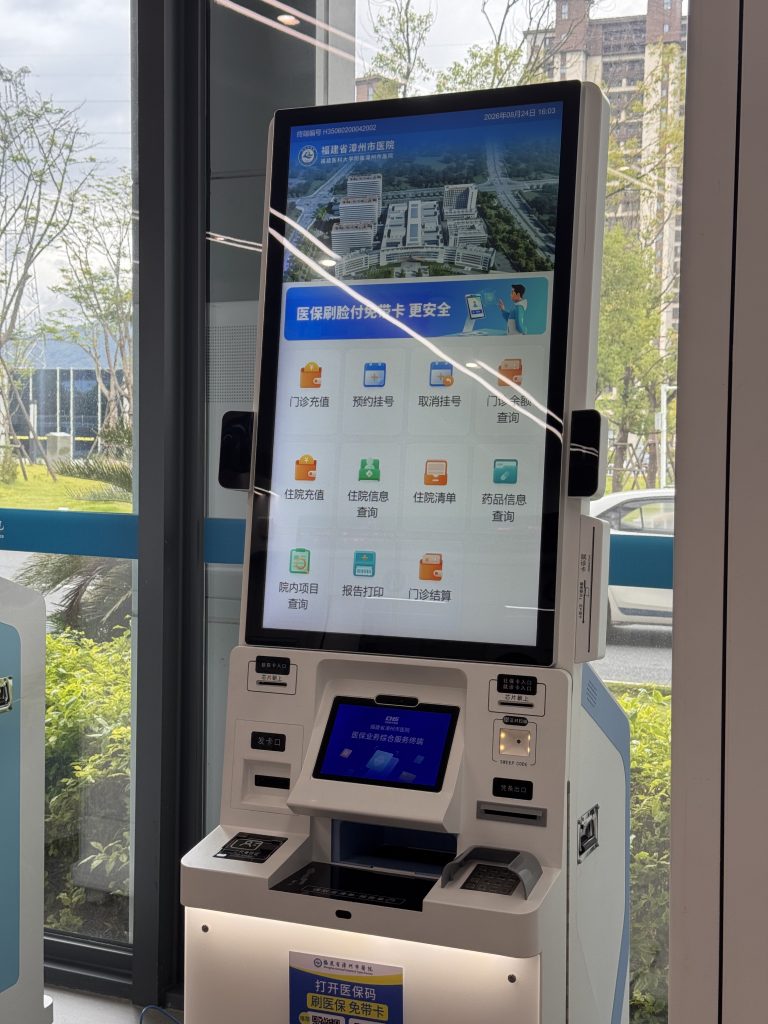
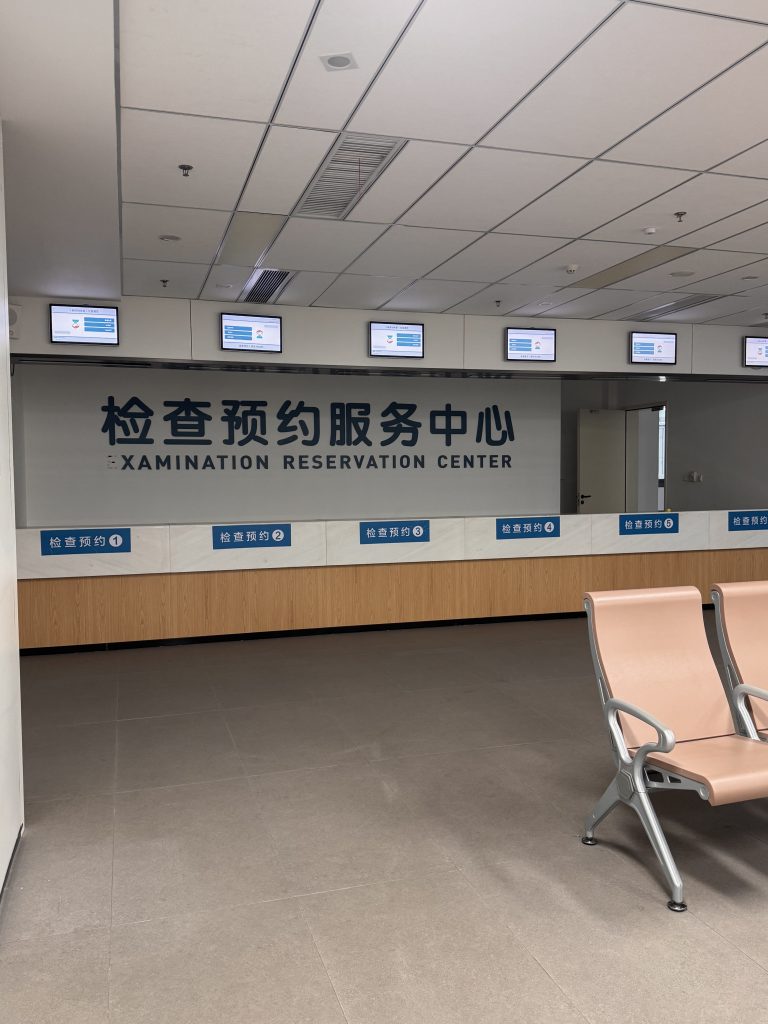
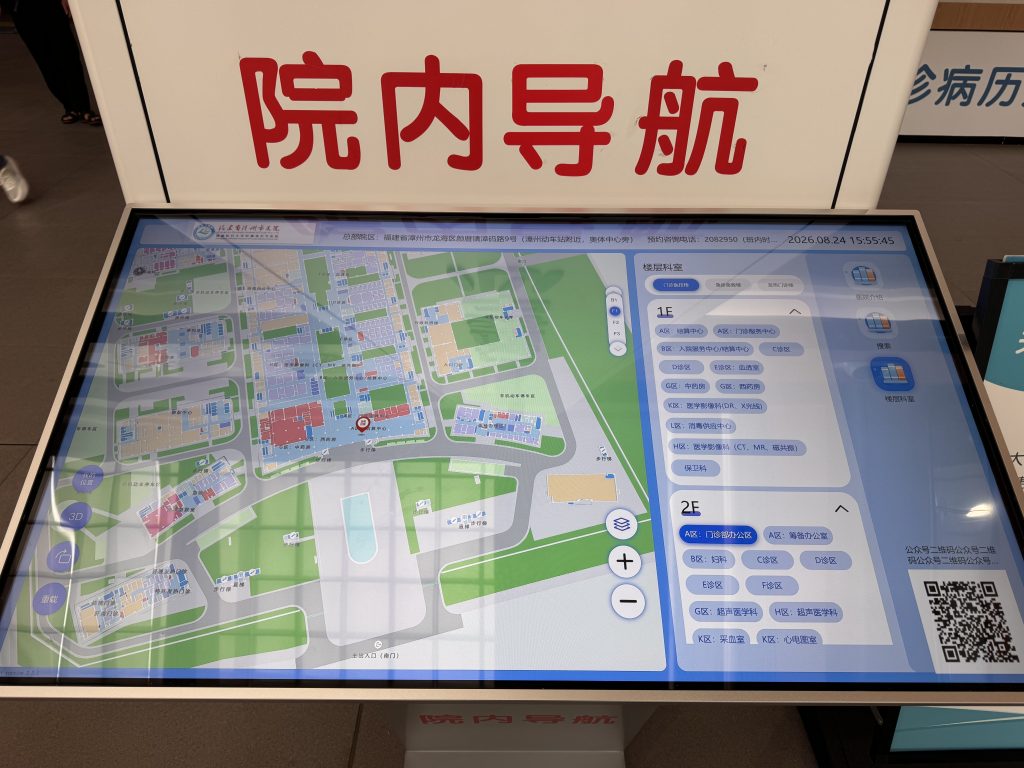
For an older person, these two pathways create different kinds of challenges. In the UK, the patient may need to understand how to access the GP, communicate their symptoms and understand whether and when they will be referred. In China, the patient may instead have to decide which hospital and which department they should attend, and then navigate the hospital’s appointment and physical navigation systems.This made me realise that accessibility is not only about whether someone can use a digital interface. It is also shaped by how healthcare is organised and by how many decisions a patient has to make before receiving care.
This comparison changed the way I think about my project. I had initially been looking for a universal digital solution for older people. I now think this would be too simple. A healthcare interface cannot be separated from the healthcare system behind it.
The question is therefore not only “Can an older person use this technology?”, but also “What does the healthcare system ask this person to do, and how much responsibility is placed on them to navigate it?”
Interview with Dr. Guo
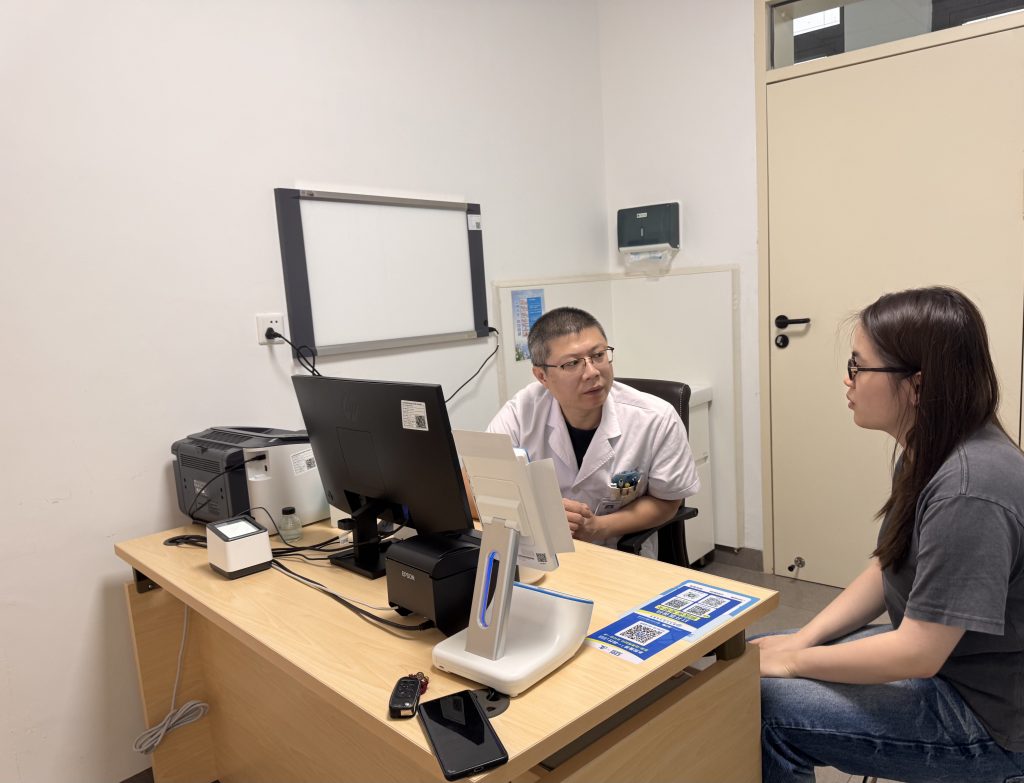
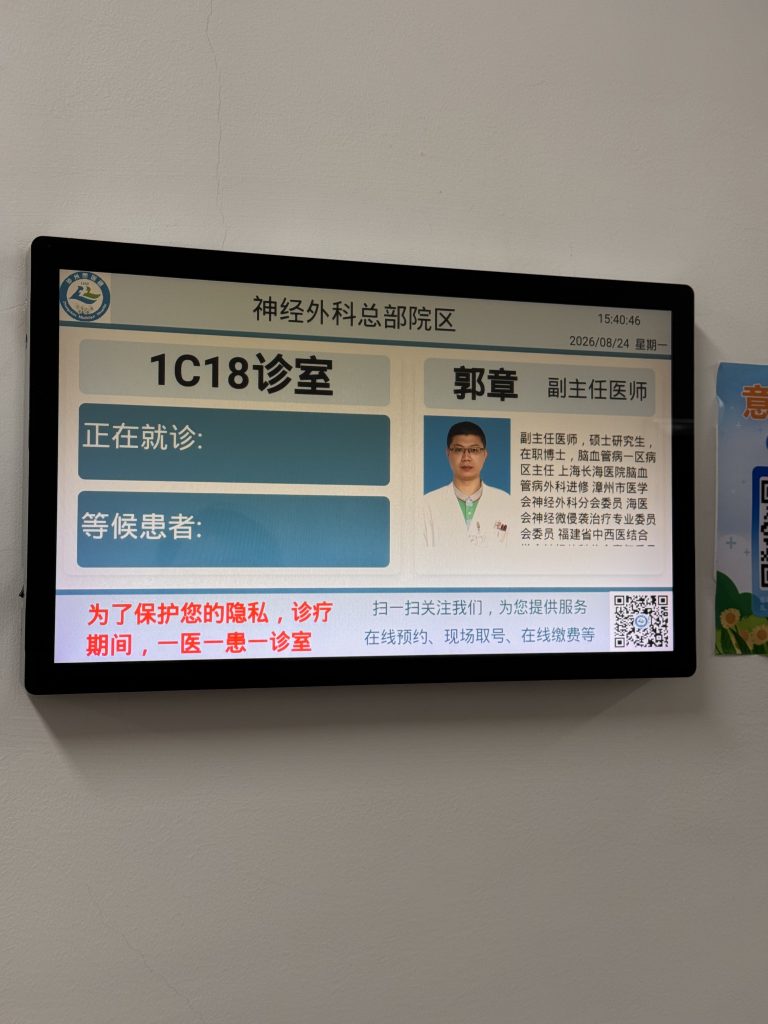
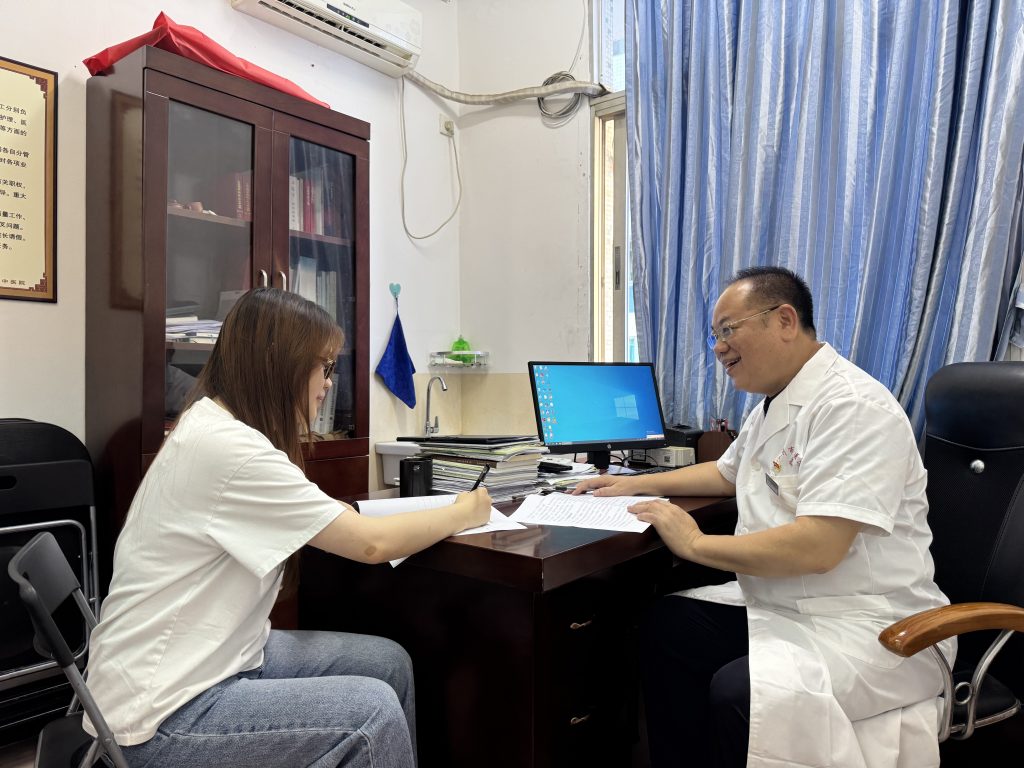
The most significant turning point came from my recent interview with Dr. Guo Zhang, Deputy Chief Physician in the Department of Neurosurgery at Zhangzhou Hospital.
I expected the interview to mainly confirm the problems I had already identified. Instead, it complicated my understanding.
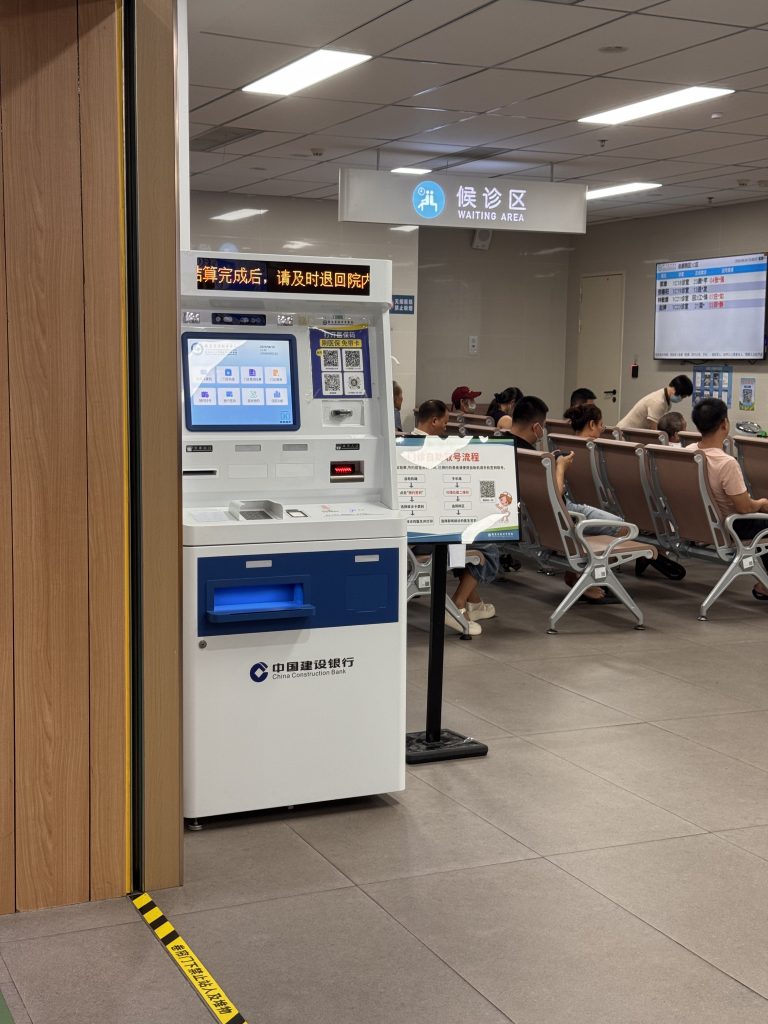
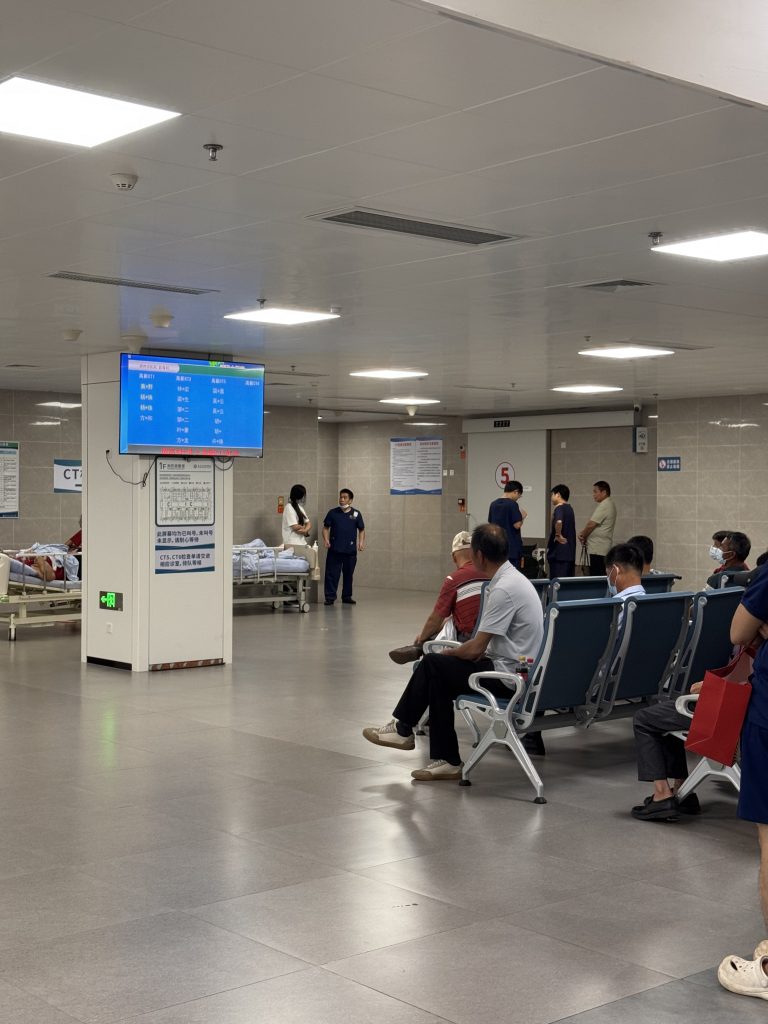
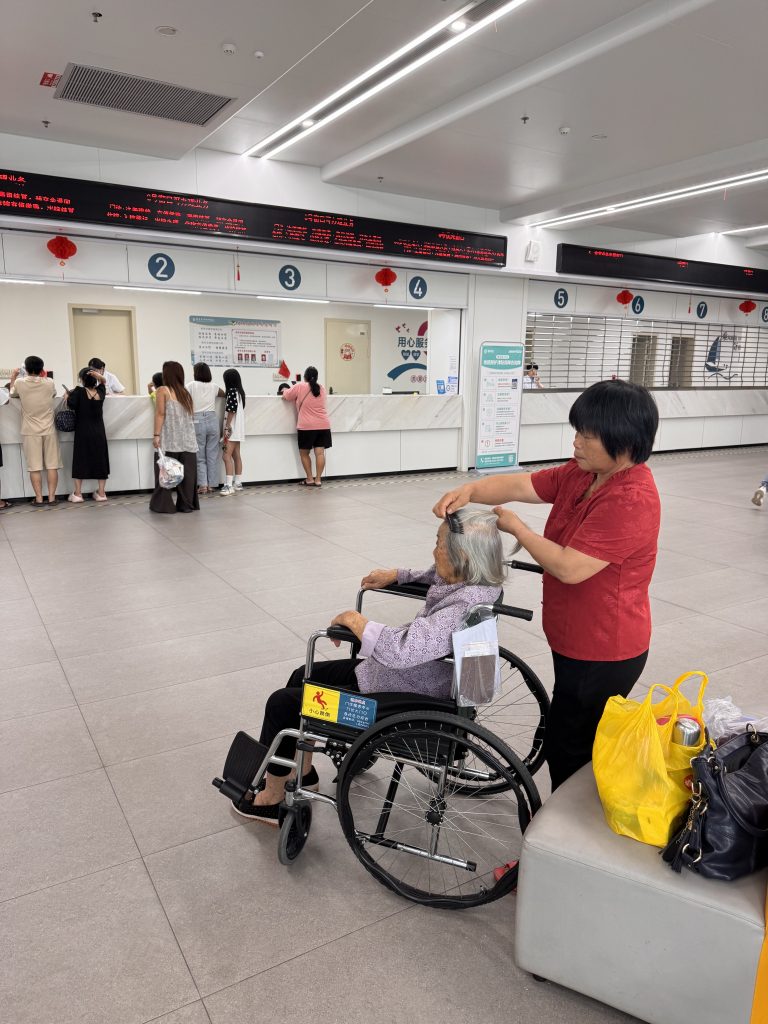
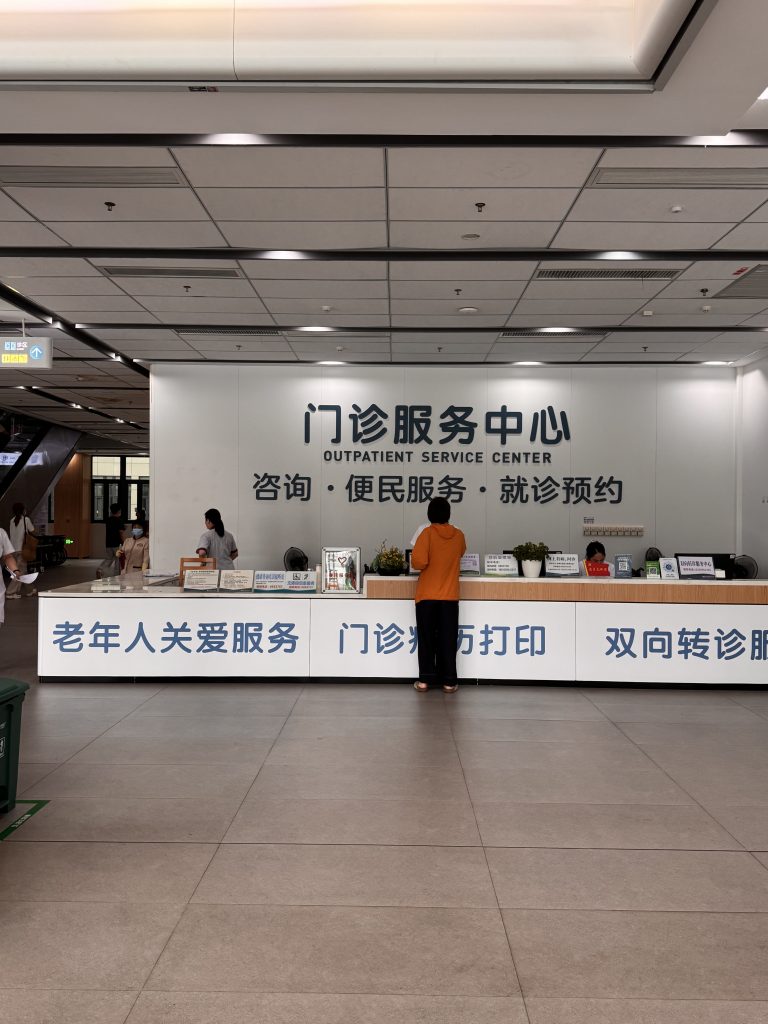
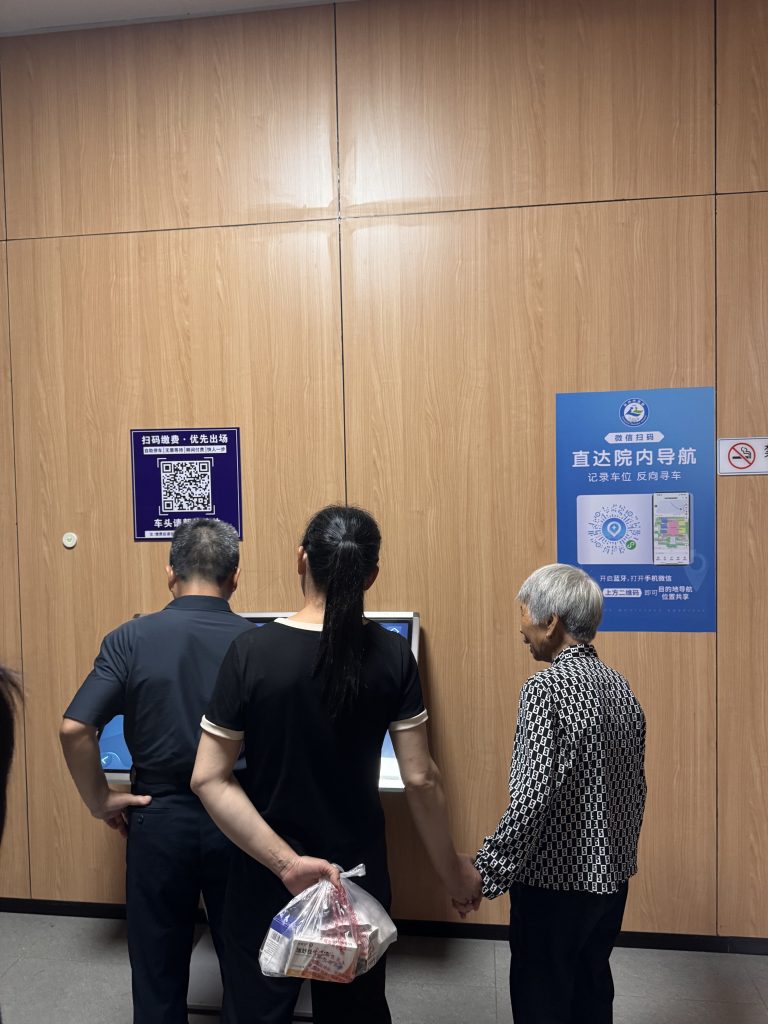
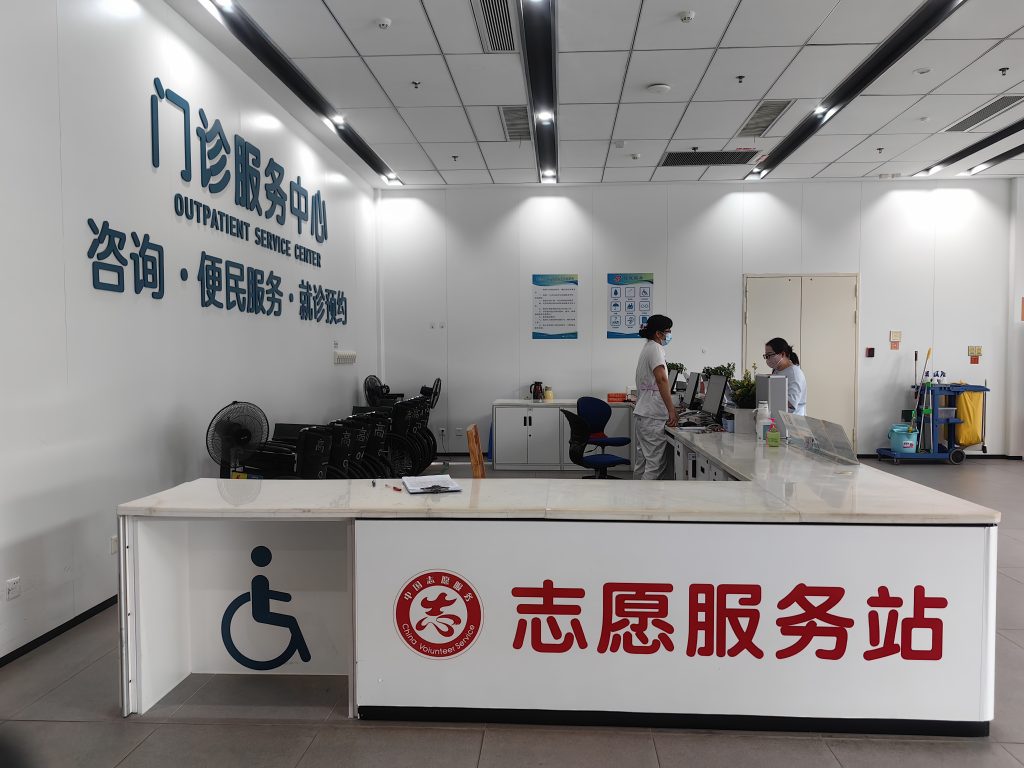
Dr. Guo explained that the hospital already has volunteers and staff in important service areas who can help older patients use machines, find the correct department and navigate the hospital. Patients who cannot use online appointment systems can also make appointments directly through nurses. Wheelchairs and stretchers are available for people with mobility difficulties.
More importantly, some patients in neurosurgery have much more serious physical limitations. Patients with severe consequences following stroke, for example, may find travelling to hospital extremely difficult. In some cases, doctors communicate with family members or use video to observe the patient’s movement, language and recovery.
This made me realise that the healthcare journey does not begin when an older person opens an app, and it does not necessarily end when they leave the hospital.
Intervention and Audience
My initial intervention focused mainly on the interaction between an older person and a digital healthcare interface. The findings suggested that clearer language, fewer choices and more obvious navigation could reduce some of the difficulties I observed.
However, the interview with Dr. Guo and the comparison between China and the UK have made me question whether improving an interface alone would be enough.
I also began to put attention on the communication gap. My question slowly became: if a person can use WeChat, payment or other mobile phone functions normally, why does he still feel uncertain in the medical interface? This has also become a small problem that I want to verify in the later intervention.
My audience is therefore becoming broader. Older adults remain the main group I am interested in, particularly people whose physical, cognitive or digital abilities create barriers to healthcare access. At the same time, family members, caregivers, volunteers and healthcare professionals are becoming important stakeholders.
For example, a family member may make an appointment, accompany an older person to hospital, explain their symptoms or communicate with a doctor when the patient cannot do this independently. The healthcare experience is therefore not always an interaction between one user and one digital product.
Conclusion
The main strength of my research so far is that my research question has actually changed through doing the research. I have not simply collected evidence to support my original assumption. My intervention showed me that interface design can create communication barriers, while the interview with Dr. Guo showed me that hospitals already have many forms of human and offline support.
The China–UK comparison also changed my understanding of accessibility. I initially thought about digital healthcare as if there were one general healthcare journey. I now understand that the structure of the healthcare system determines what patients need to know, decide and do. Therefore, a solution that works in one context may not necessarily work in another.
The main weakness is that my primary research is still limited in scale. I have gained valuable insights from healthcare professionals and small-scale testing, but I need more direct engagement with older adults and caregivers. In particular, I need to compare what the healthcare system believes it provides with what people actually experience.
My biggest learning from Unit Three is that I started by trying to solve a technology problem, but I am now more interested in understanding a service problem.
The question I am taking forward is therefore not simply “How can I make healthcare technology easier for older people?” It is closer to “How can different forms of digital, human and physical support work together to make the healthcare journey more accessible?”
Rather than replacing existing support, I want to investigate how design might connect it.
Mannheim, I., Wouters, E.J.M., Köttl, H., van Boekel, L.C., Brankaert, R. and van Zaalen, Y. (2023) ‘Ageism in the discourse and practice of designing digital technology for older persons: A scoping review’, The Gerontologist, 63(7), pp. 1188–1200.
Norman, D.A. (2013) The Design of Everyday Things: Revised and Expanded Edition. New York: Basic Books.
Sayago, S. (2026) Older Adults and Digital Technologies: Background, Design, Configurations, and Futures. Cham: Springer.
Shi, Z., Du, X., Li, J., Hou, R., Sun, J. and Marohabutr, T. (2024) ‘Factors influencing digital health literacy among older adults: a scoping review’, Frontiers in Public Health, 12. doi:10.3389/fpubh.2024.1447747.
World Health Organization (2017) Global Strategy and Action Plan on Ageing and Health. Geneva: World Health Organization.