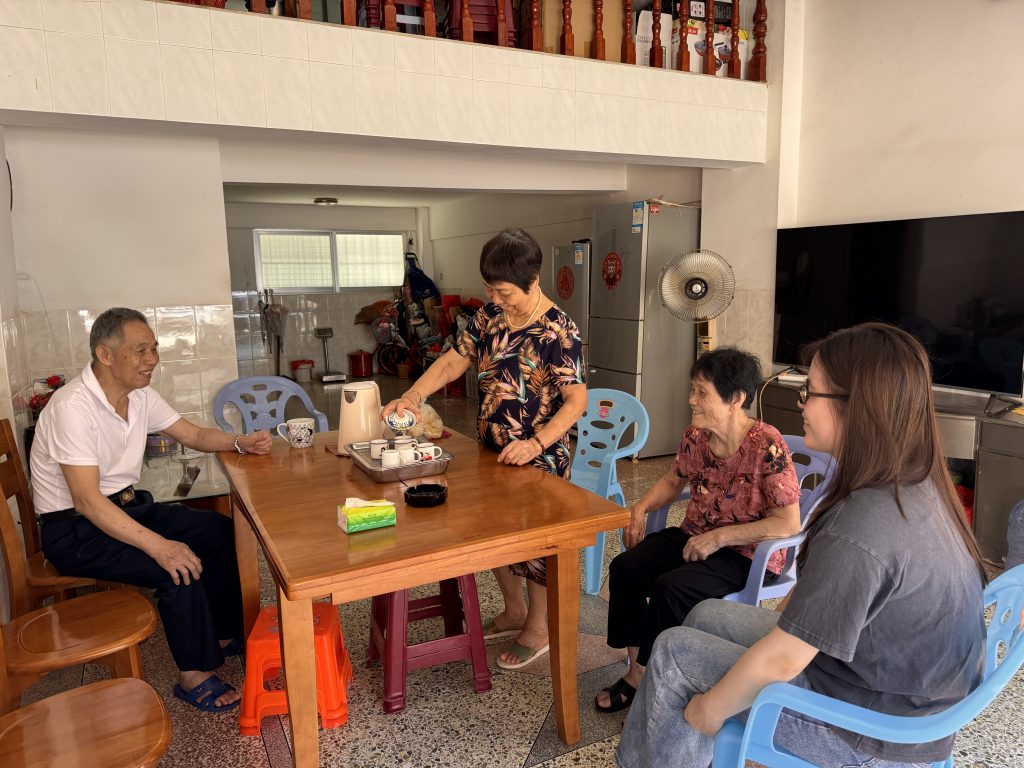
As part of my research into older people and healthcare access, I visited the home of an elderly couple, Yuhua and her husband, who live together in their hometown. Their three children currently work in another city, so the couple lives independently most of the time.
I chose to visit Yuhua and her husband because they live in the same community as my grandmother. My grandmother occasionally visits them to chat, which made it possible for me to meet and talk with them in a more natural and relaxed setting. Yuhua is in her 70’s, while her husband is in his 80’s. Their living situation and everyday experiences therefore provided me with a valuable perspective on how older couples manage healthcare and daily life independently.
During our conversation, I learned that when they become unwell or need to visit a hospital, they usually rely on their children for help. They explained that they would not normally go to the hospital by themselves because they do not know which department they should visit or how the whole process works. Going to the hospital alone feels too complicated, time-consuming and stressful for them.
Unless the situation is extremely urgent, they usually prefer to wait until their children can come home and take them to the hospital, or sometimes travel to the city where their children live to receive medical care.
This made me realise that healthcare access is not only about whether a hospital or digital service is available. For some older people, the difficulty lies in understanding and navigating the healthcare system itself. When the process feels too complicated, family members become an essential form of support and guidance.
What also stayed with me was the atmosphere of the visit. Yuhua warmly welcomed me into her home, made tea for us and invited me to sit down and chat. The interaction was not structured like a formal interview. Instead, it was a relaxed conversation about their everyday life and experiences.
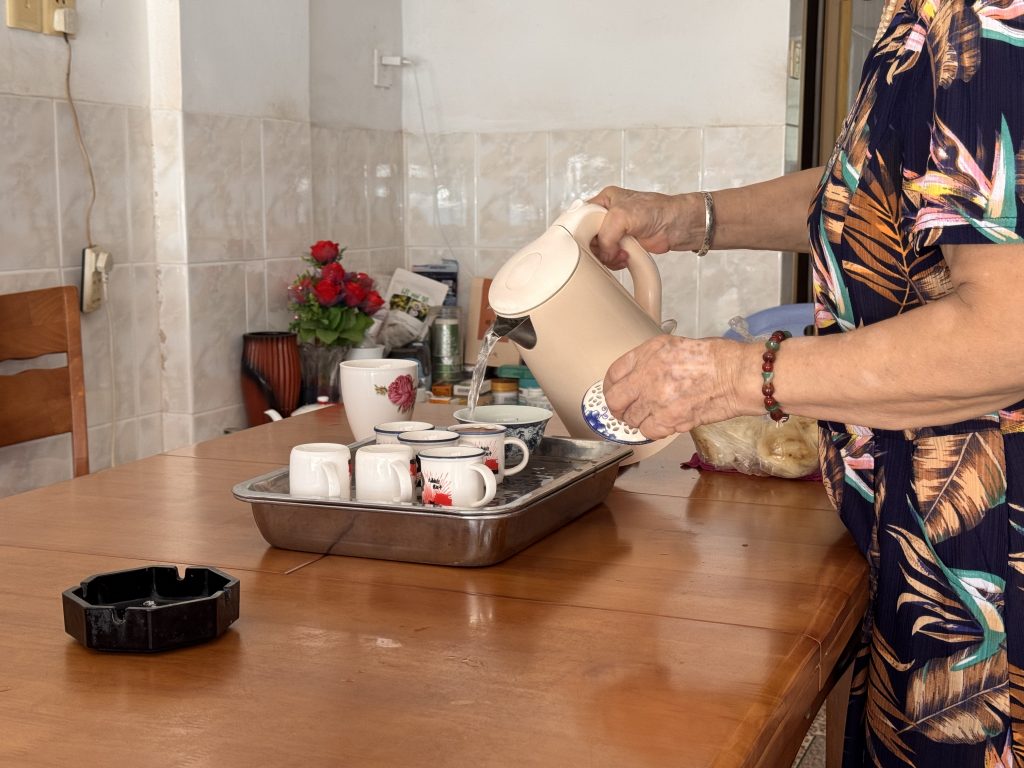
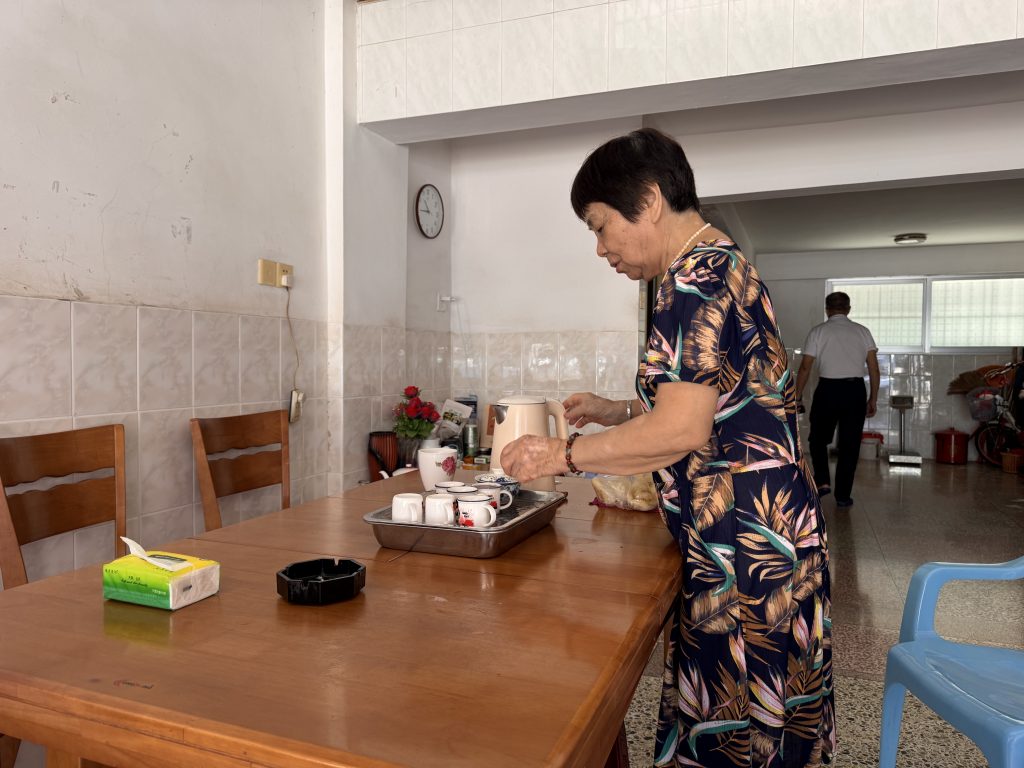
This informal encounter helped me understand the people behind my research more personally. It reminded me that when designing healthcare services for older people, I should not only consider their digital abilities, but also their confidence, understanding of healthcare processes, family relationships, living arrangements and existing sources of support.
For me, this visit was a small but important reminder that healthcare accessibility is ultimately about people, relationships and everyday life—not just technology.
Leave a Reply