Category: Uncategorised

  • Unit3 report 27/08/2026

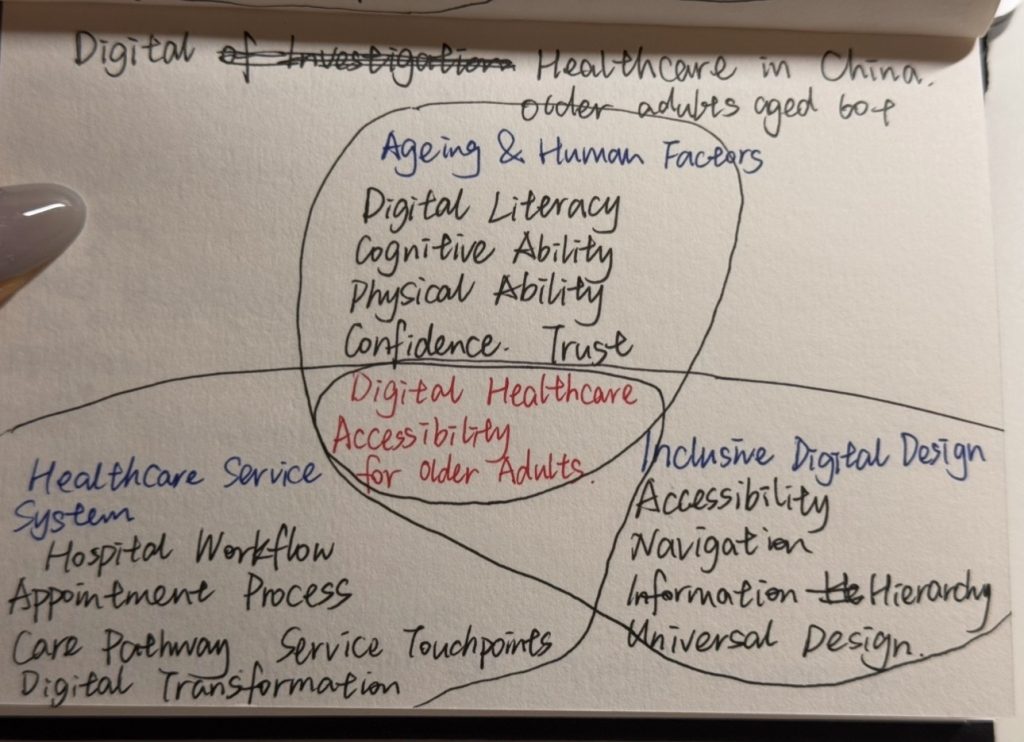
    Ageing, Digital Accessibility and Healthcare

    Introduction

    I started this project with a fairly simple assumption: older people can struggle with digital healthcare because they are less confident or less experienced with technology. My early research therefore focused on digital literacy and the difficulties older adults face when using hospital apps, online appointment systems and self-service machines.

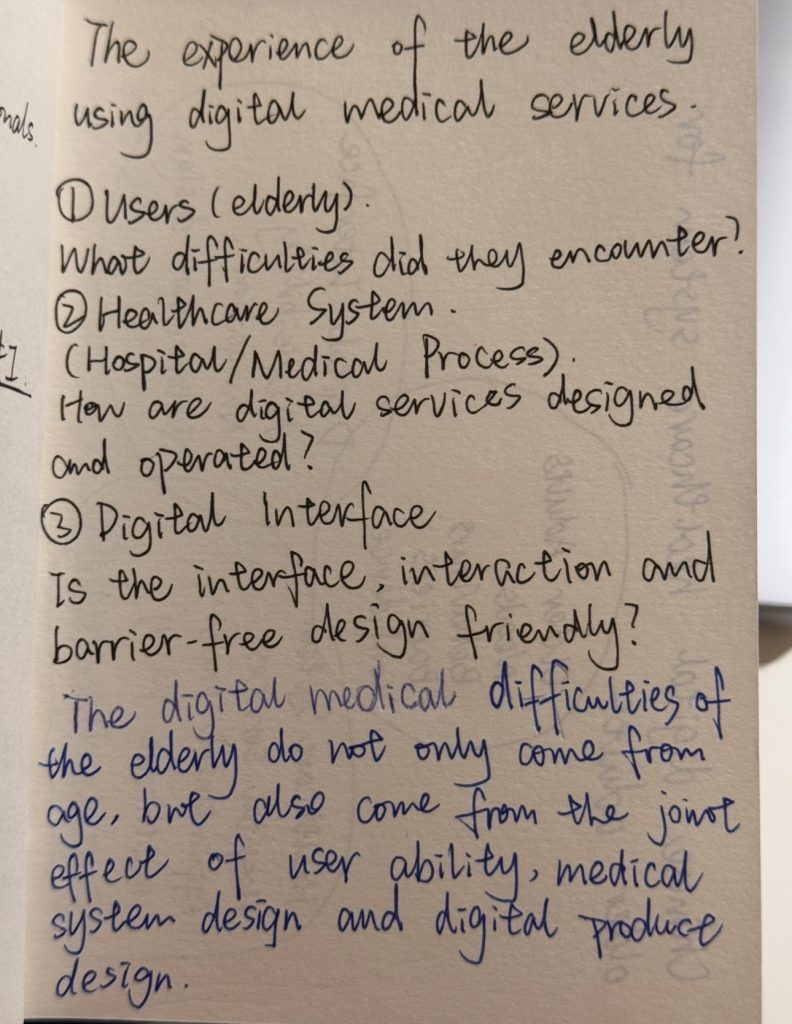
    As the project developed, this assumption became less convincing. I started to notice that the problem was not always the technology itself. Sometimes it was the language used by the system, the number of choices, the lack of clear directions, or simply not knowing what to do next. I also realised that older people have very different physical and cognitive abilities, so treating “older adults” as one user group was too broad.

    A further development in my research came from comparing healthcare experiences in China and the UK. I noticed that the healthcare journey itself is structured differently in the two countries. In the UK, people will normally contact a GP as their first point of contact for non-emergency healthcare, and the GP may then refer them to a specialist or hospital when necessary. In China, patients can generally go directly to a hospital and register for a specialist department without going through the same GP referral process.

    This difference made me realise that accessibility is not only a question of whether someone can use a digital interface. It is also shaped by how the healthcare system is organised and by how many decisions a patient has to make before receiving care.

    Research Question

    My current question is:

    How can make healthcare journeys more accessible and inclusive for older adults with different physical, cognitive and digital abilities?

    This question has changed from my original focus on digital literacy. The change did not happen at one particular moment. It developed through tutorials, mapping, testing, comparison between healthcare systems and conversations with people working in healthcare.This question is far from my first idea. Through tutorial, mapping, triangulation, testing and communication with medical staff, I began to realize that it may be a problem in itself to simply regard “older adults” as a group that does not use technology.

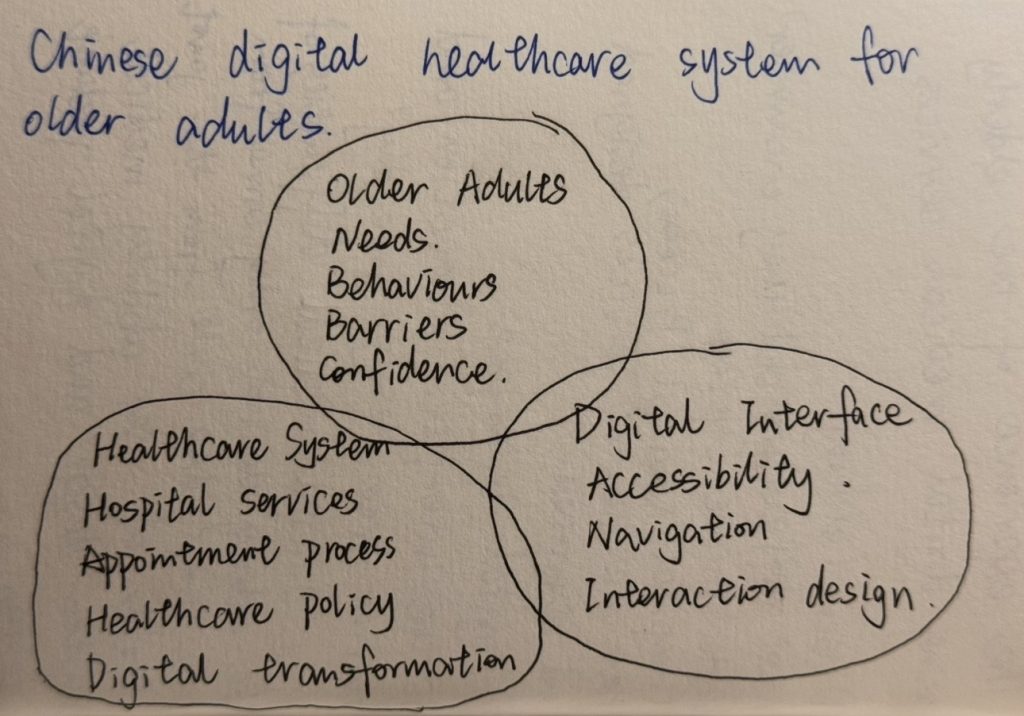
    In my tutorials, I was encouraged to move away from simply identifying that older people have difficulty using healthcare apps and to look more closely at communication barriers within digital healthcare. I began mapping the healthcare ecosystem and using triangulation to compare the perspectives of older adults, healthcare services and inclusive design.

    The China–UK comparison added another layer to this. I began to understand that what looks like a digital problem may sometimes actually be a service pathway problem.

    Research Methodology

    I have used a combination of secondary research, interviews, observation, mapping and small-scale intervention testing. I used triangulation because I did not want my understanding of the problem to depend on one perspective.

    My intervention was particularly useful because it allowed me to move from talking about accessibility to observing it. I asked four participants with different levels of digital experience to complete hospital-related tasks, including finding a department and navigating an appointment process. I first observed how they interacted with an existing interface and then compared this with a simplified version.

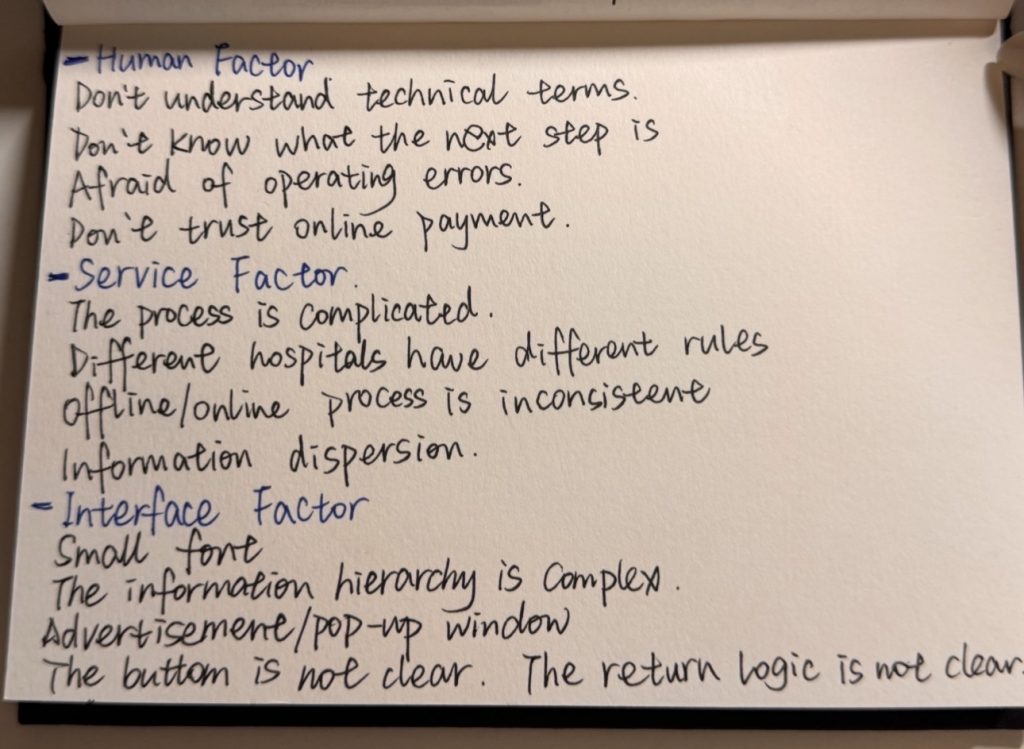
    The test was small and cannot represent all older adults. However, it helped me identify specific moments of difficulty. Participants hesitated when medical terminology was unfamiliar, when there were too many options, and when the next step was not obvious. When the language, choices and visual pathway were simplified, the tasks became easier to follow.

    This made me question my original interpretation of the problem. The issue was not simply whether someone was “good” or “bad” at using technology. The design of the healthcare communication itself affected how easily the task could be completed.

    Research and Turning Points

    The literature has helped me place these observations within a wider discussion of ageing and inclusive design.

    The World Health Organization’s approach to healthy ageing has been useful because it focuses on functional ability rather than seeing ageing simply as physical or cognitive decline. This relates to my own research because an older person’s ability to access healthcare depends on the relationship between the person and their environment.

    Mannheim et al. (2023) also made me question the category of the “older user”. Their review discusses ageism within the design of digital technologies for older people and made me more aware of the danger of assuming that older adults are automatically less capable with technology. This is relevant to my own intervention because the participants did not all experience the interface in the same way.

    Norman (2013) influenced how I interpreted my test. Instead of immediately blaming the user’s lack of digital confidence, I began to look at whether the system communicated clearly enough. This shifted my attention towards the relationship between human ability and system design.

    Another useful source was Shi et al. (2024), whose scoping review identifies digital health literacy among older adults as something influenced by social support, technology use and the wider environment, rather than simply individual ability. This became particularly relevant to my research because I began to recognise that family members, volunteers and healthcare workers can all become part of an older person’s interaction with healthcare technology.

    Comparing China and the UK

    One of my larger findings has come from comparing the healthcare pathways I have experienced and researched in China and the UK.

    In the UK, the GP plays an important role as the first point of contact for most non-emergency healthcare. A patient may need to discuss their symptoms with a GP before being referred to a hospital specialist. This creates a particular pathway:

    Patient → GP → Referral → Hospital / Specialist → Further treatment

    In China, the pathway can be more direct. Patients can generally choose a hospital and register with a specialist department directly:

    Patient → Hospital → Department / Specialist → Further treatment

    For an older person, these two pathways create different kinds of challenges. In the UK, the patient may need to understand how to access the GP, communicate their symptoms and understand whether and when they will be referred. In China, the patient may instead have to decide which hospital and which department they should attend, and then navigate the hospital’s appointment and physical navigation systems.This made me realise that accessibility is not only about whether someone can use a digital interface. It is also shaped by how healthcare is organised and by how many decisions a patient has to make before receiving care.

    This comparison changed the way I think about my project. I had initially been looking for a universal digital solution for older people. I now think this would be too simple. A healthcare interface cannot be separated from the healthcare system behind it.

    The question is therefore not only “Can an older person use this technology?”, but also “What does the healthcare system ask this person to do, and how much responsibility is placed on them to navigate it?”

    Interview with Dr. Guo

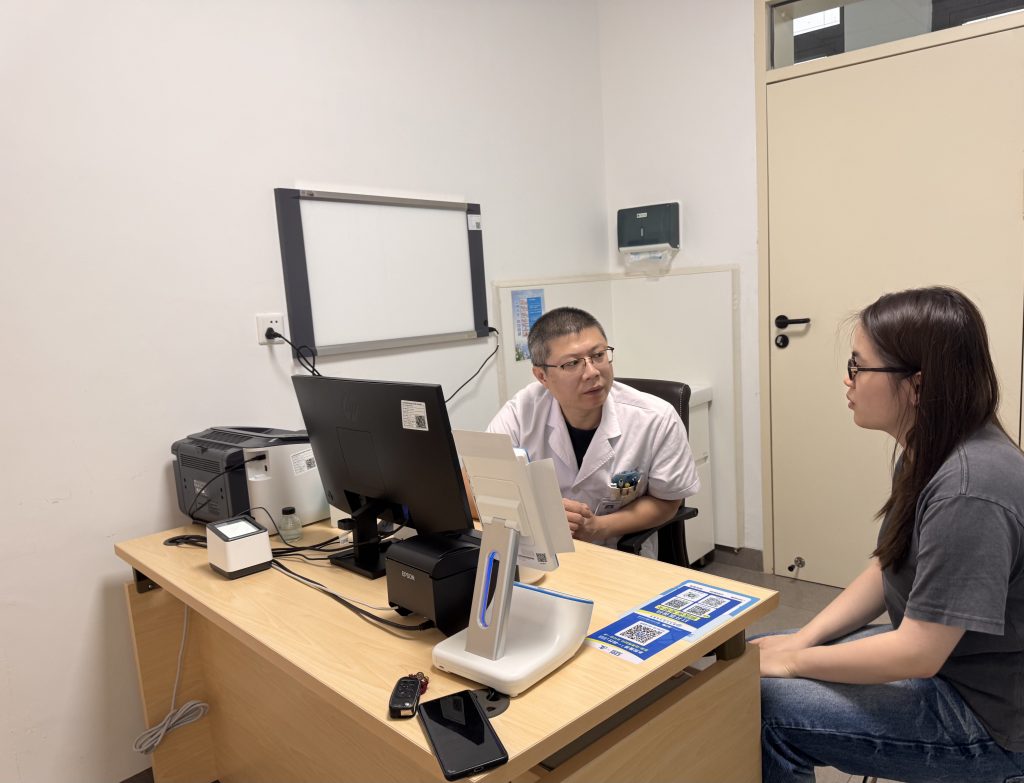
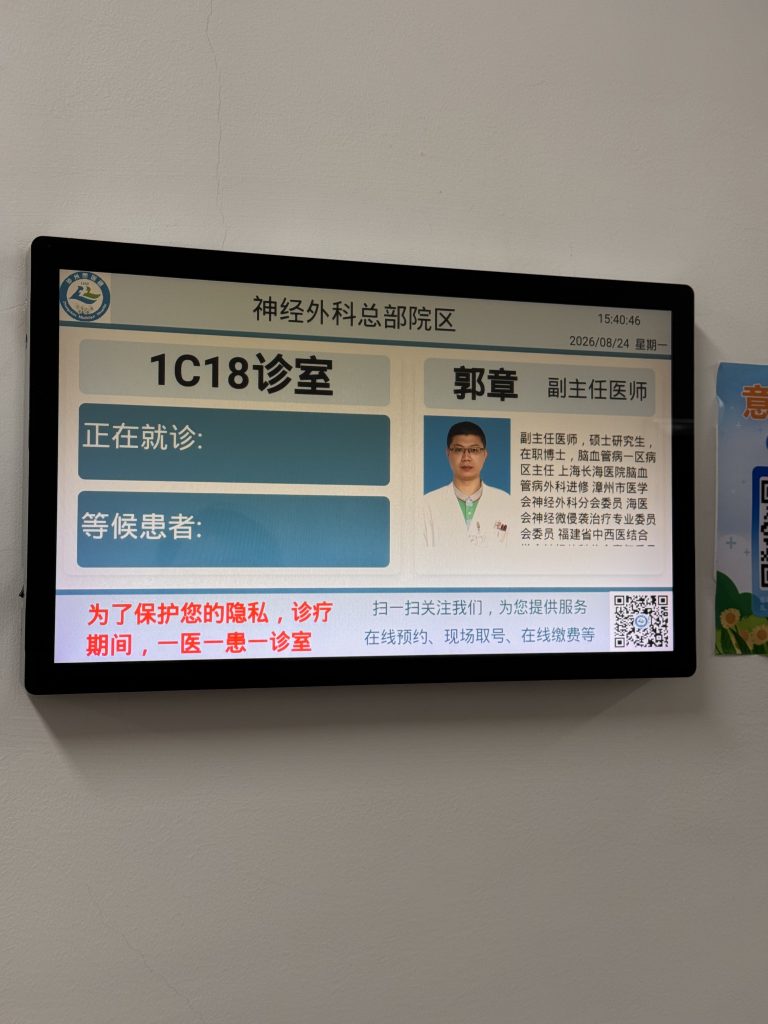
    The most significant turning point came from my recent interview with Dr. Guo Zhang, Deputy Chief Physician in the Department of Neurosurgery at Zhangzhou Hospital.

    I expected the interview to mainly confirm the problems I had already identified. Instead, it complicated my understanding.

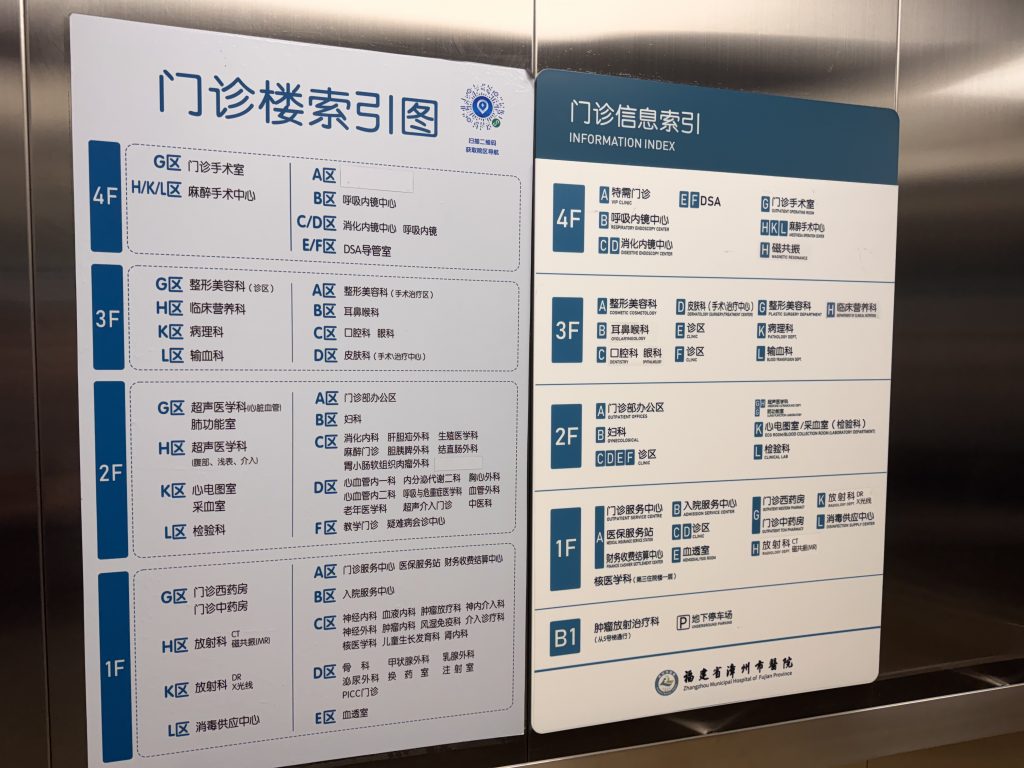
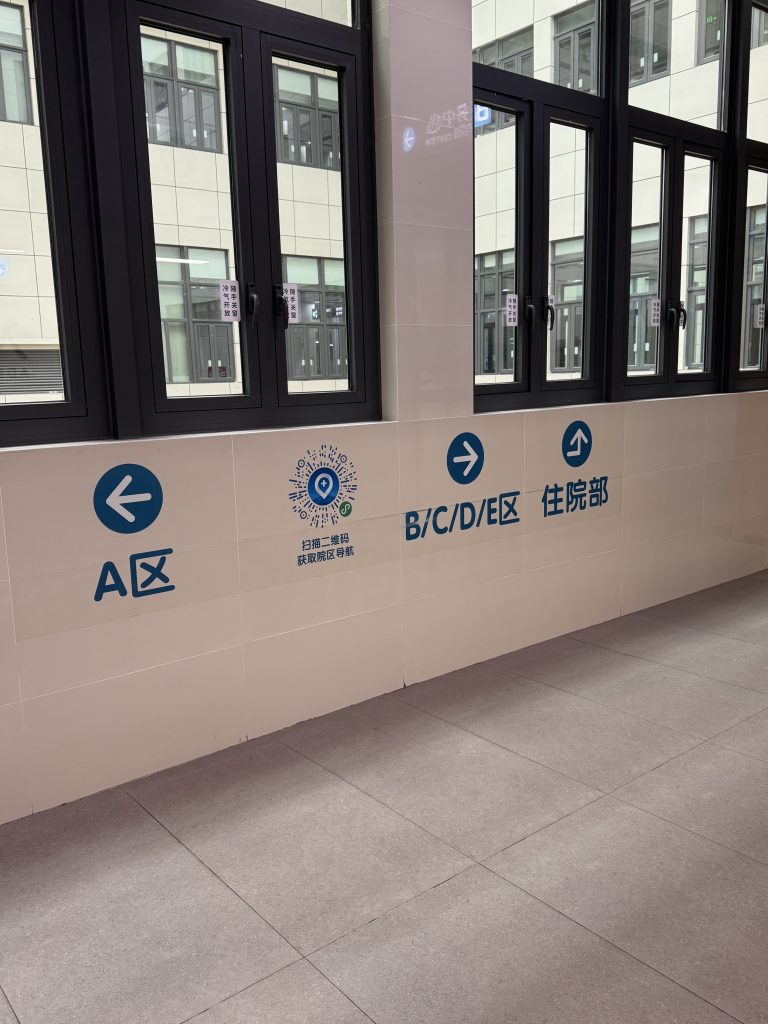
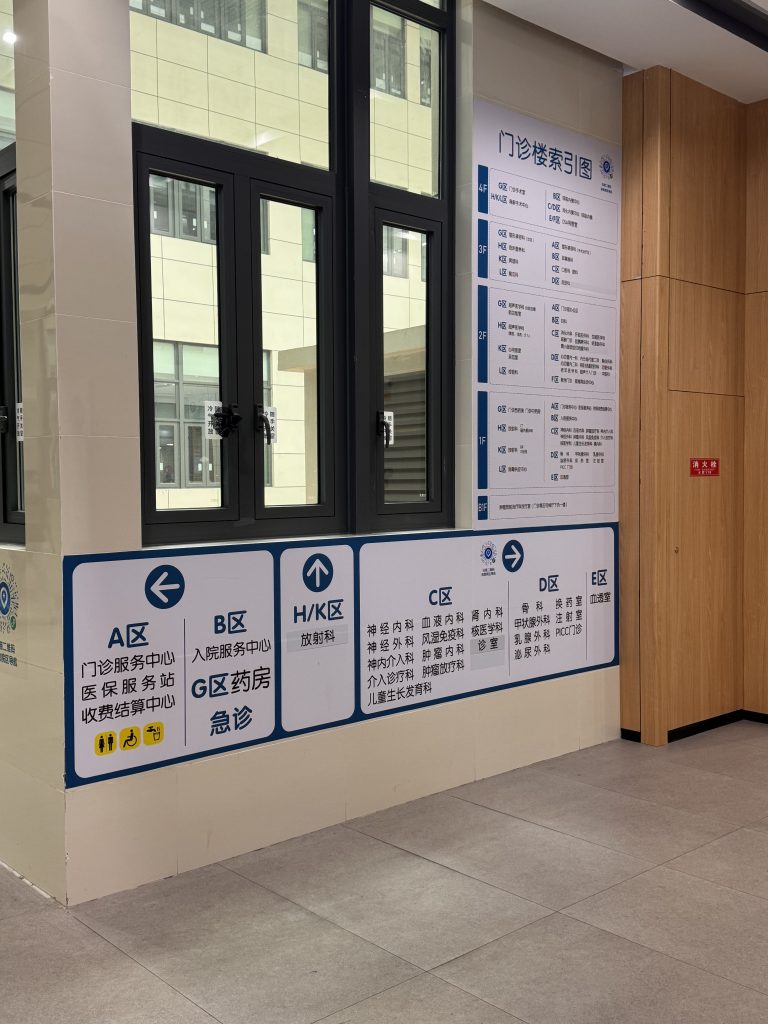
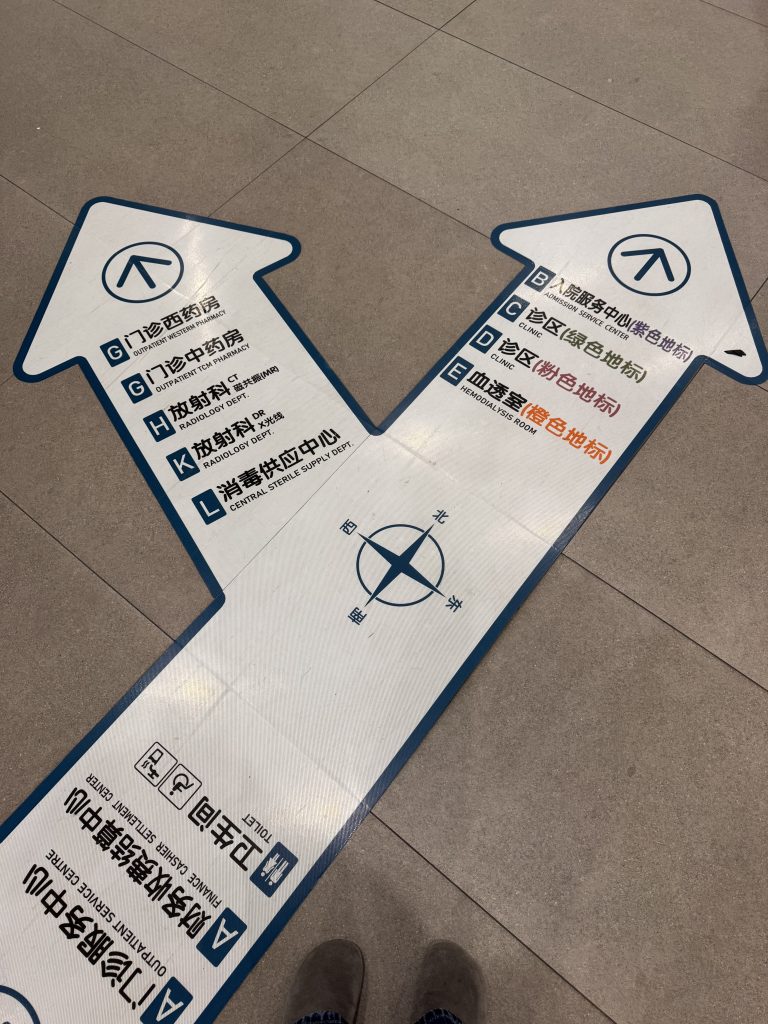
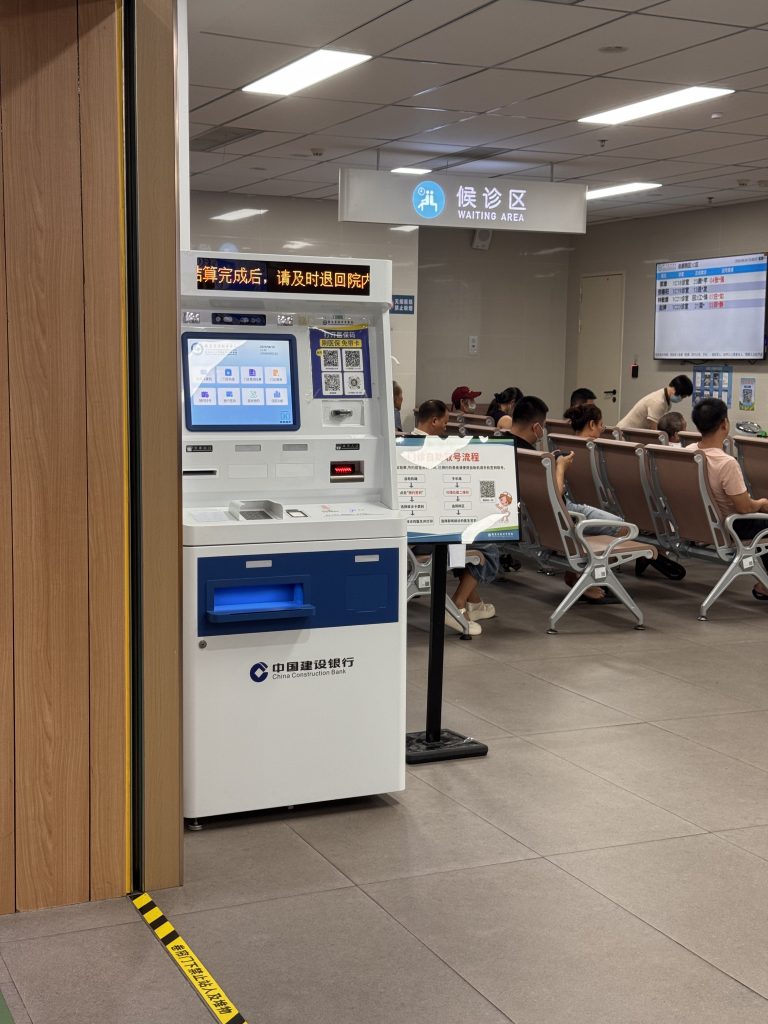
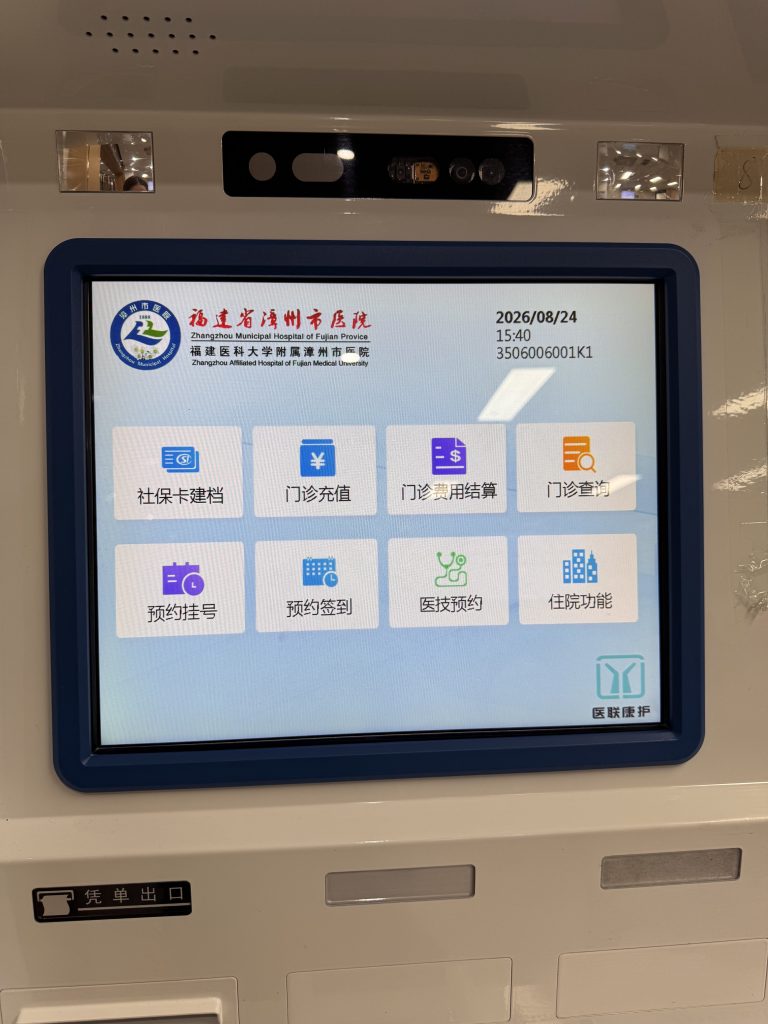
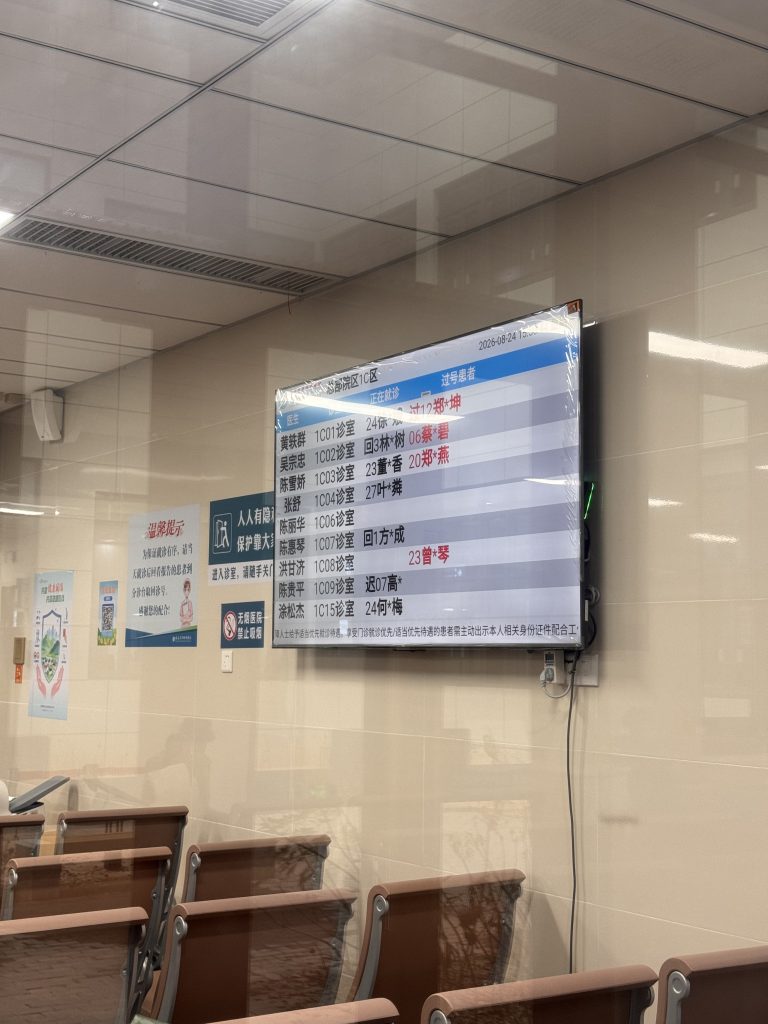
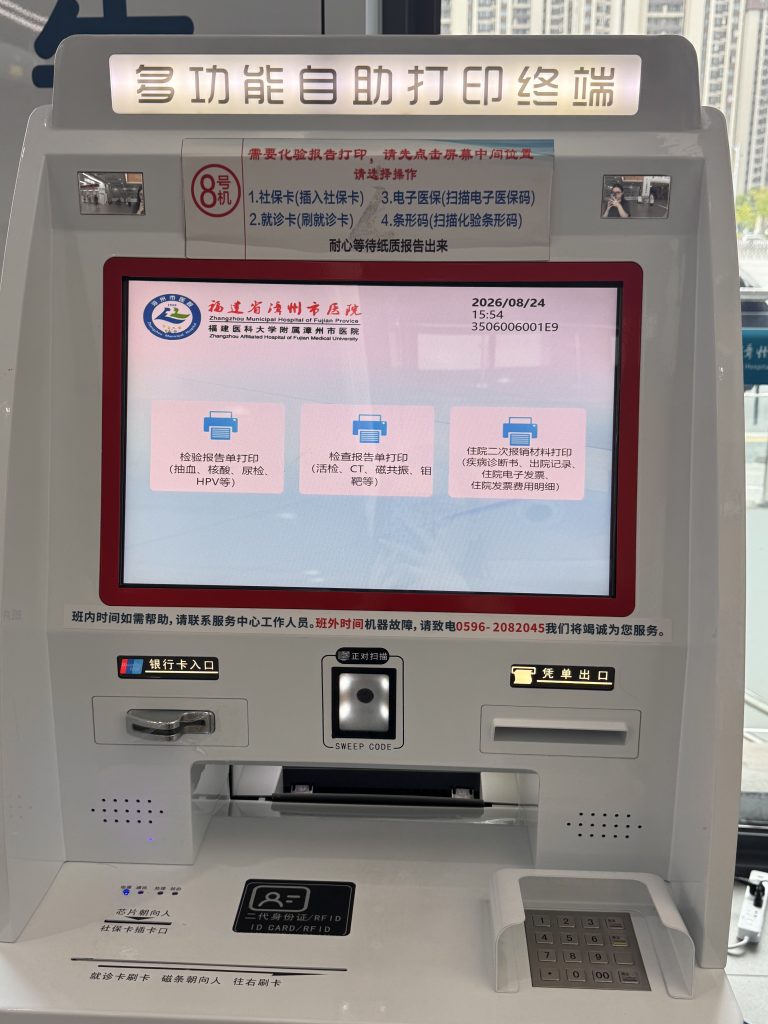
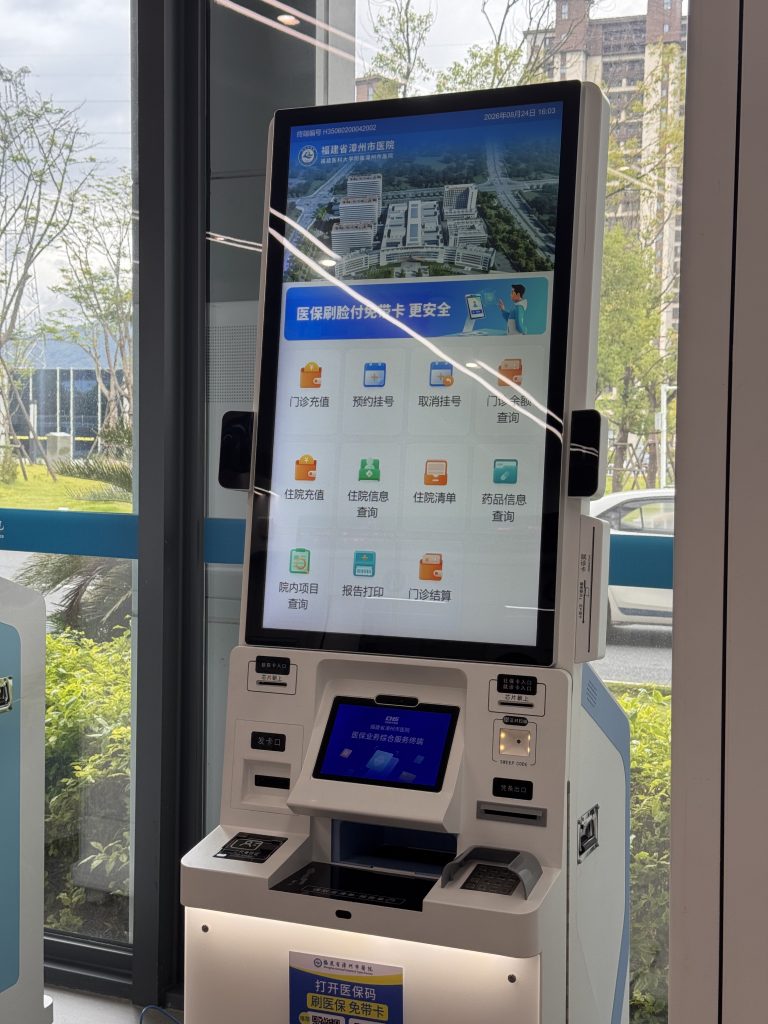
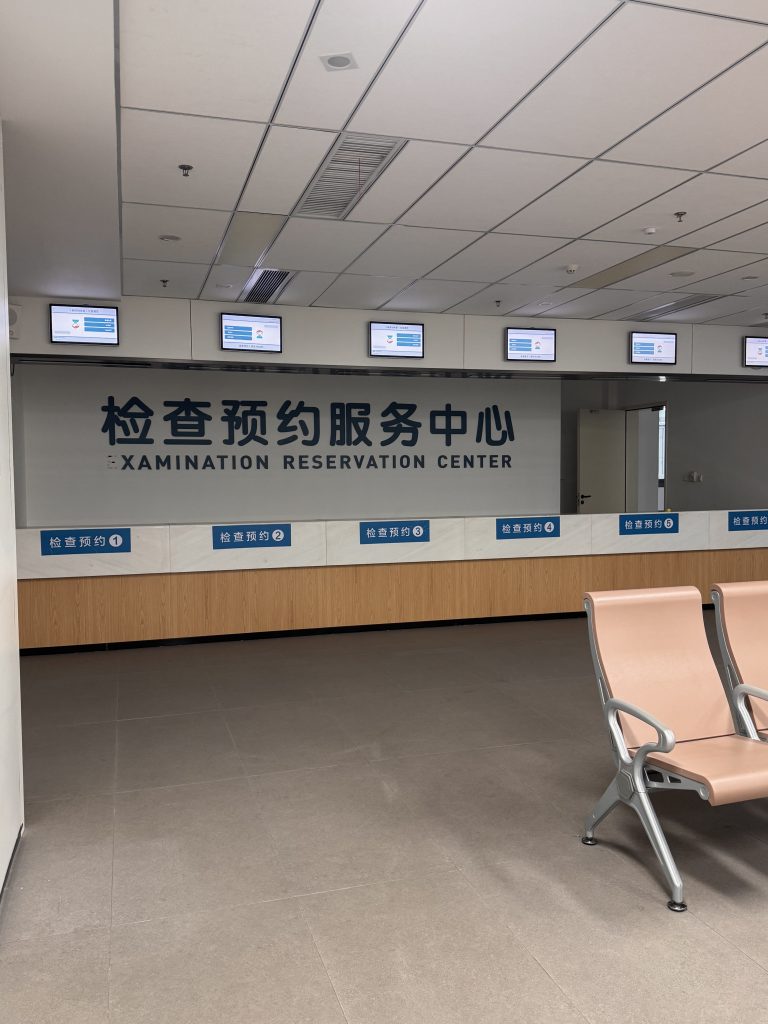
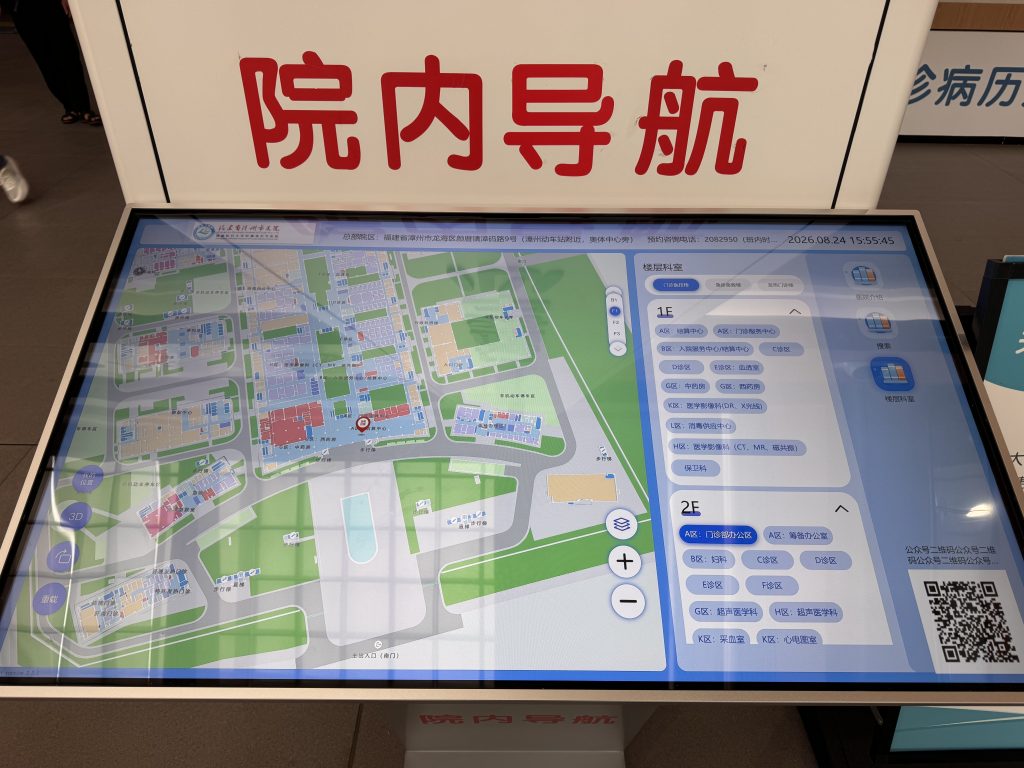
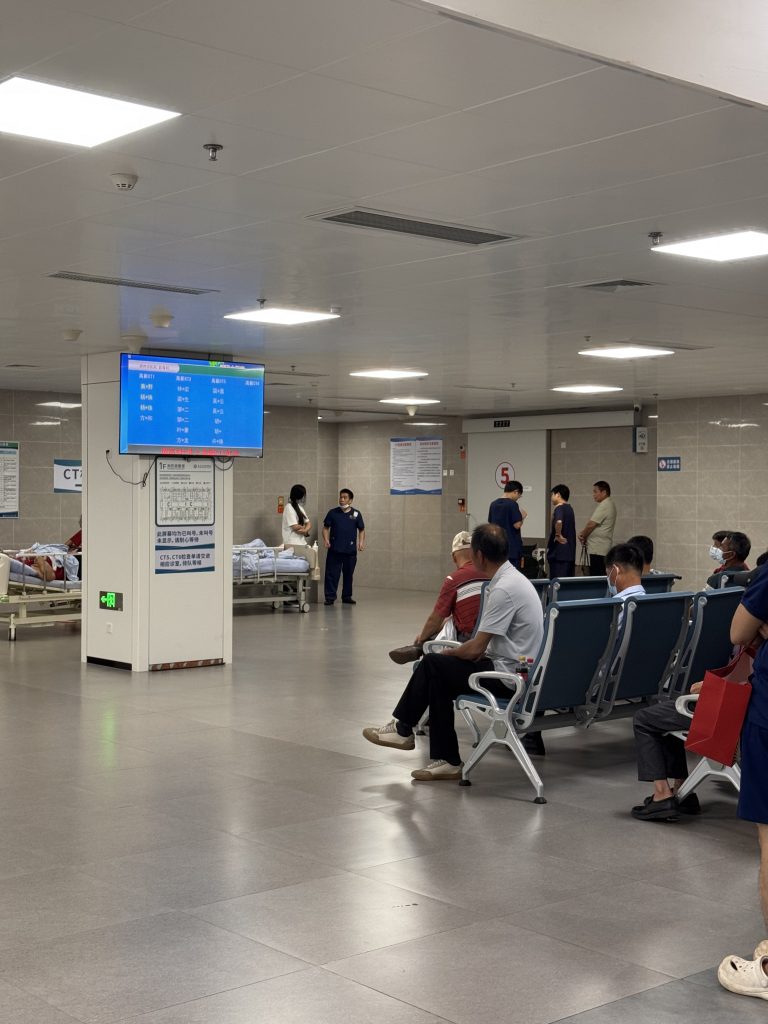
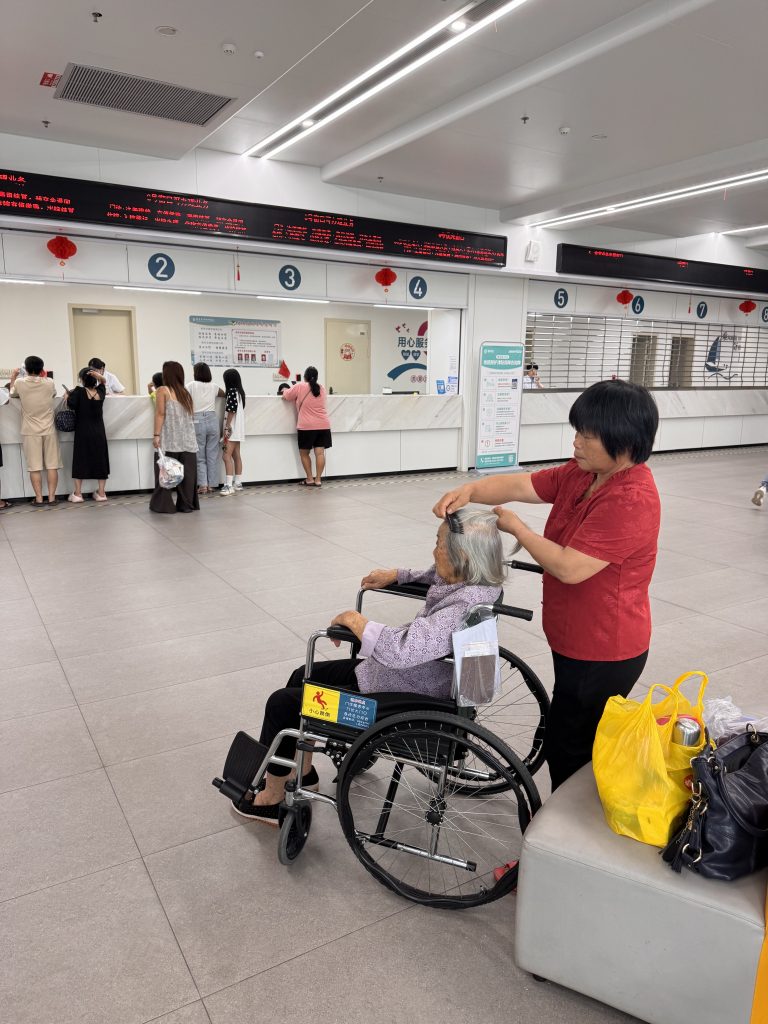
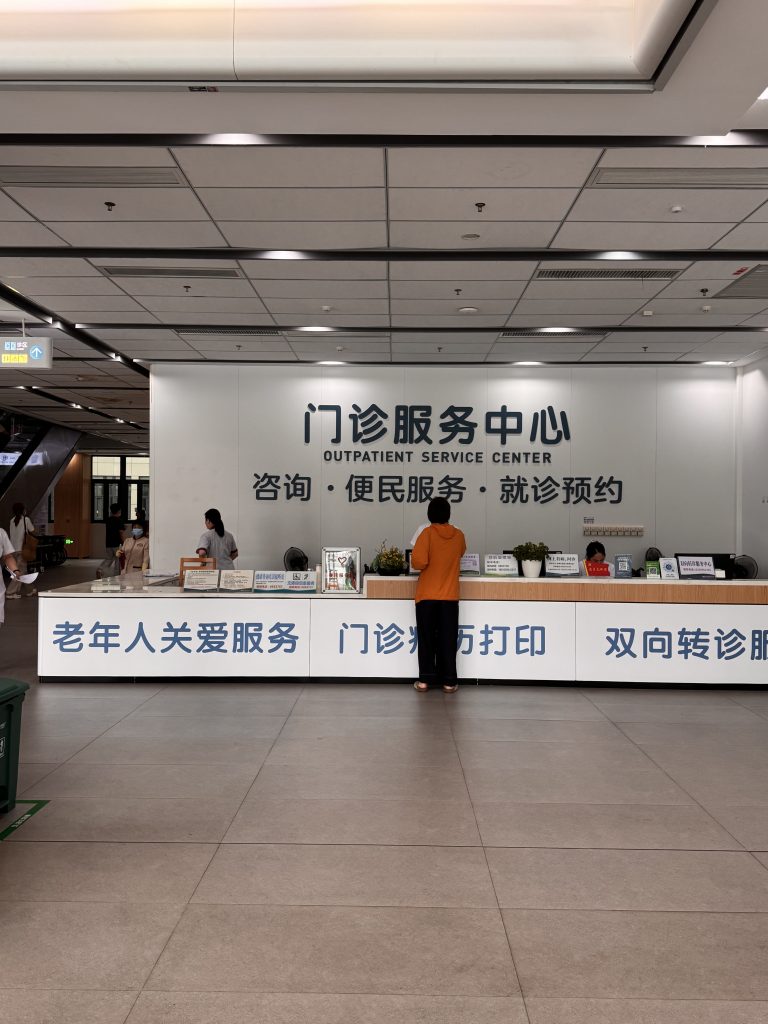
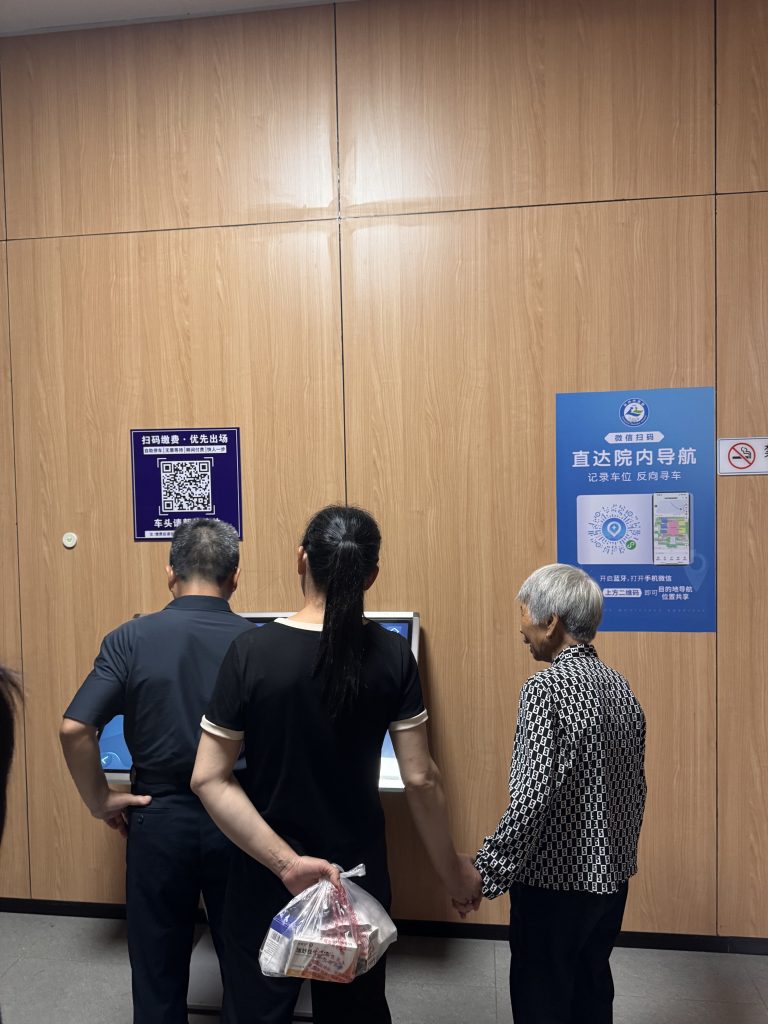
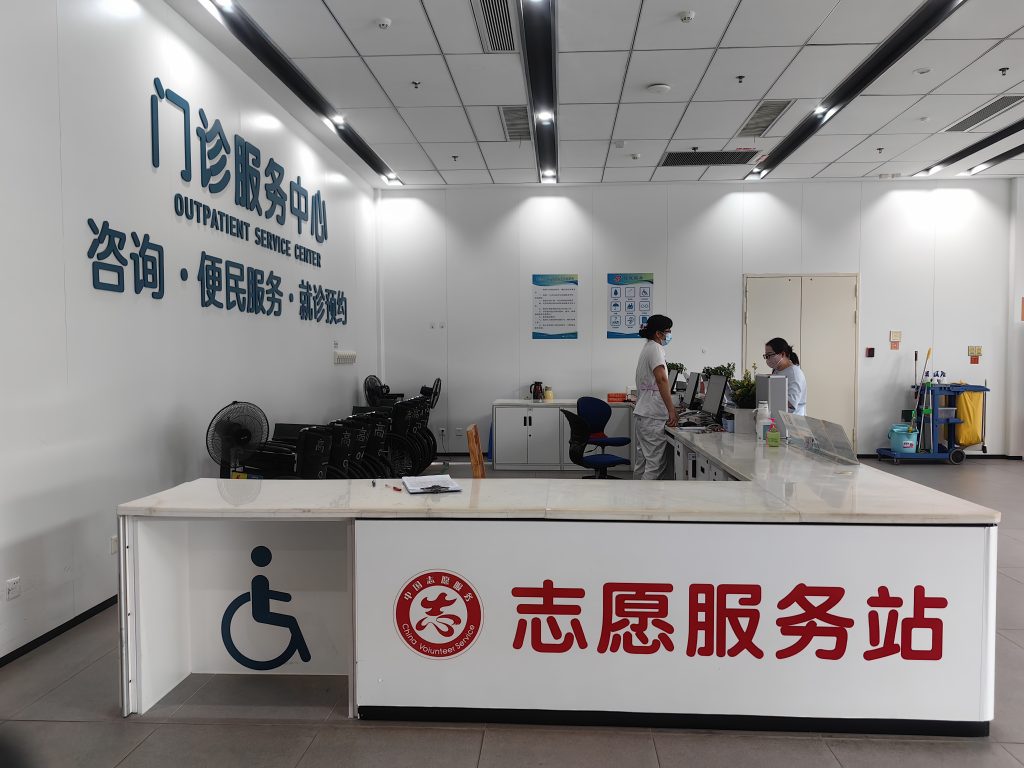
    Dr. Guo explained that the hospital already has volunteers and staff in important service areas who can help older patients use machines, find the correct department and navigate the hospital. Patients who cannot use online appointment systems can also make appointments directly through nurses. Wheelchairs and stretchers are available for people with mobility difficulties.

    More importantly, some patients in neurosurgery have much more serious physical limitations. Patients with severe consequences following stroke, for example, may find travelling to hospital extremely difficult. In some cases, doctors communicate with family members or use video to observe the patient’s movement, language and recovery.

    This made me realise that the healthcare journey does not begin when an older person opens an app, and it does not necessarily end when they leave the hospital.

    Intervention and Audience

    My initial intervention focused mainly on the interaction between an older person and a digital healthcare interface. The findings suggested that clearer language, fewer choices and more obvious navigation could reduce some of the difficulties I observed.

    However, the interview with Dr. Guo and the comparison between China and the UK have made me question whether improving an interface alone would be enough.

    I also began to put attention on the communication gap. My question slowly became: if a person can use WeChat, payment or other mobile phone functions normally, why does he still feel uncertain in the medical interface? This has also become a small problem that I want to verify in the later intervention.

    My audience is therefore becoming broader. Older adults remain the main group I am interested in, particularly people whose physical, cognitive or digital abilities create barriers to healthcare access. At the same time, family members, caregivers, volunteers and healthcare professionals are becoming important stakeholders.

    For example, a family member may make an appointment, accompany an older person to hospital, explain their symptoms or communicate with a doctor when the patient cannot do this independently. The healthcare experience is therefore not always an interaction between one user and one digital product.

    Conclusion

    The main strength of my research so far is that my research question has actually changed through doing the research. I have not simply collected evidence to support my original assumption. My intervention showed me that interface design can create communication barriers, while the interview with Dr. Guo showed me that hospitals already have many forms of human and offline support.

    The China–UK comparison also changed my understanding of accessibility. I initially thought about digital healthcare as if there were one general healthcare journey. I now understand that the structure of the healthcare system determines what patients need to know, decide and do. Therefore, a solution that works in one context may not necessarily work in another.

    The main weakness is that my primary research is still limited in scale. I have gained valuable insights from healthcare professionals and small-scale testing, but I need more direct engagement with older adults and caregivers. In particular, I need to compare what the healthcare system believes it provides with what people actually experience.

    My biggest learning from Unit Three is that I started by trying to solve a technology problem, but I am now more interested in understanding a service problem.

    The question I am taking forward is therefore not simply “How can I make healthcare technology easier for older people?” It is closer to “How can different forms of digital, human and physical support work together to make the healthcare journey more accessible?”

    Rather than replacing existing support, I want to investigate how design might connect it.

    Mannheim, I., Wouters, E.J.M., Köttl, H., van Boekel, L.C., Brankaert, R. and van Zaalen, Y. (2023) ‘Ageism in the discourse and practice of designing digital technology for older persons: A scoping review’, The Gerontologist, 63(7), pp. 1188–1200.

    Norman, D.A. (2013) The Design of Everyday Things: Revised and Expanded Edition. New York: Basic Books.

    Sayago, S. (2026) Older Adults and Digital Technologies: Background, Design, Configurations, and Futures. Cham: Springer.

    Shi, Z., Du, X., Li, J., Hou, R., Sun, J. and Marohabutr, T. (2024) ‘Factors influencing digital health literacy among older adults: a scoping review’, Frontiers in Public Health, 12. doi:10.3389/fpubh.2024.1447747.

    World Health Organization (2017) Global Strategy and Action Plan on Ageing and Health. Geneva: World Health Organization.
  • Interview Insight: Understanding Elderly Patients’ Healthcare Journeys 24/08/2026

    talk with Dr. Guo Zhang, Deputy Chief Physician of Neurosurgery at Zhangzhou Hospital Headquarters

    As part of my research into ageing, digital accessibility and healthcare, I interviewed Dr. Guo Zhang, Deputy Chief Physician in the Department of Neurosurgery at Zhangzhou Hospital. The interview helped me understand how elderly patients currently navigate healthcare services, and where difficulties still exist despite the support already provided by hospitals.

    Existing Support Within the Hospital

    One of the most important findings from the interview was that hospitals already have a range of support systems for elderly patients.

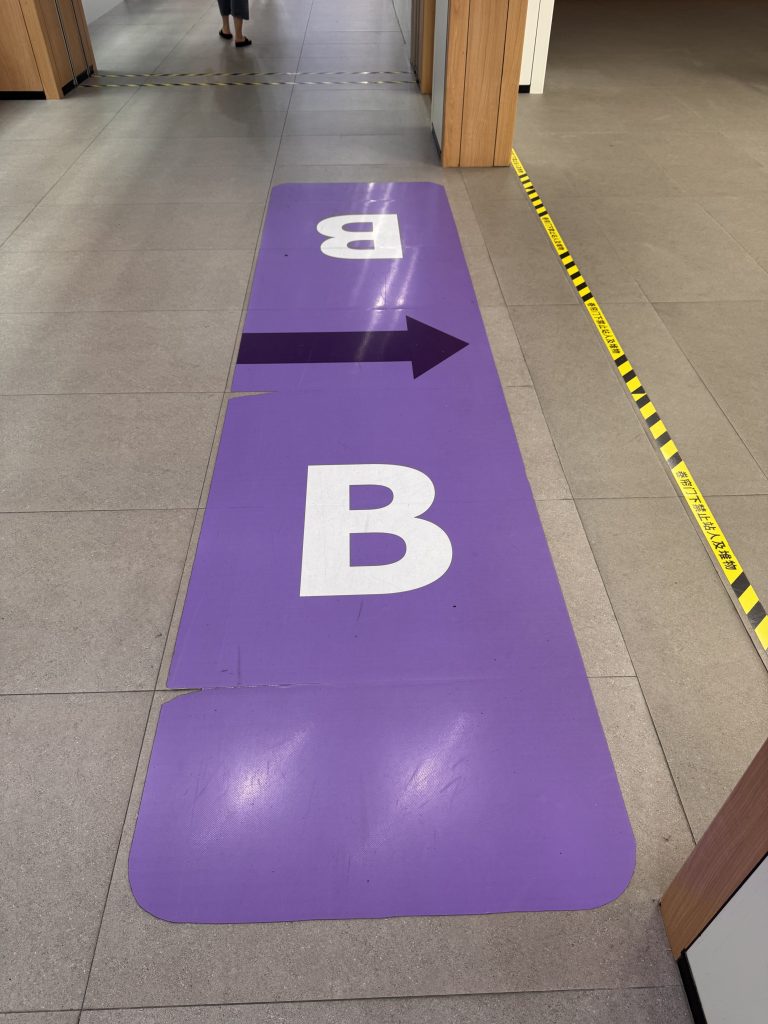
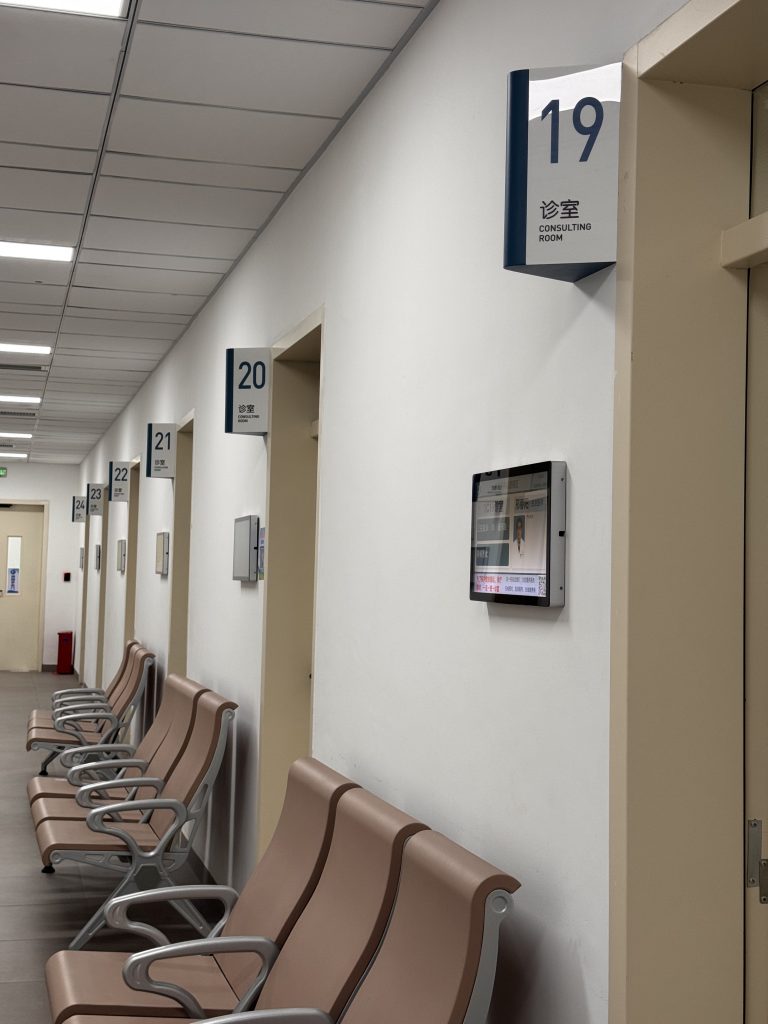
    According to Dr. Guo, volunteers and staff are distributed across important service areas of the hospital. They can help elderly patients who have difficulties using digital machines, identifying the correct department, finding the location of a clinic, or understanding the hospital’s navigation process.

    For elderly patients with limited mobility, hospitals can also provide wheelchairs and stretchers. If an elderly person arrives alone and requires assistance, staff and volunteers can provide support throughout the healthcare journey.

    This made me realise that the problem is not simply that elderly people are “unable to use technology”. There is already a human support network around them. The challenge is how these different forms of support work together with digital healthcare systems.

    Not All Elderly Patients Have the Same Needs

    Dr. Guo also highlighted an important distinction between elderly patients.

    Some older people remain cognitively clear and physically capable. They may be able to complete the entire healthcare process independently and therefore rarely ask staff for help.

    However, patients with cognitive impairment, reduced physical ability or other functional difficulties often require family members to accompany them. In these situations, family members may also need to communicate the patient’s symptoms and healthcare needs on their behalf.

    This suggests that “elderly users” should not be treated as one homogeneous group. Their healthcare needs can vary significantly depending on physical ability, cognitive ability, digital literacy and whether they have someone accompanying them.

    Offline Access Is Still Important

    Another important point from the interview was that elderly patients do not necessarily need to use a smartphone or WeChat to make an appointment.

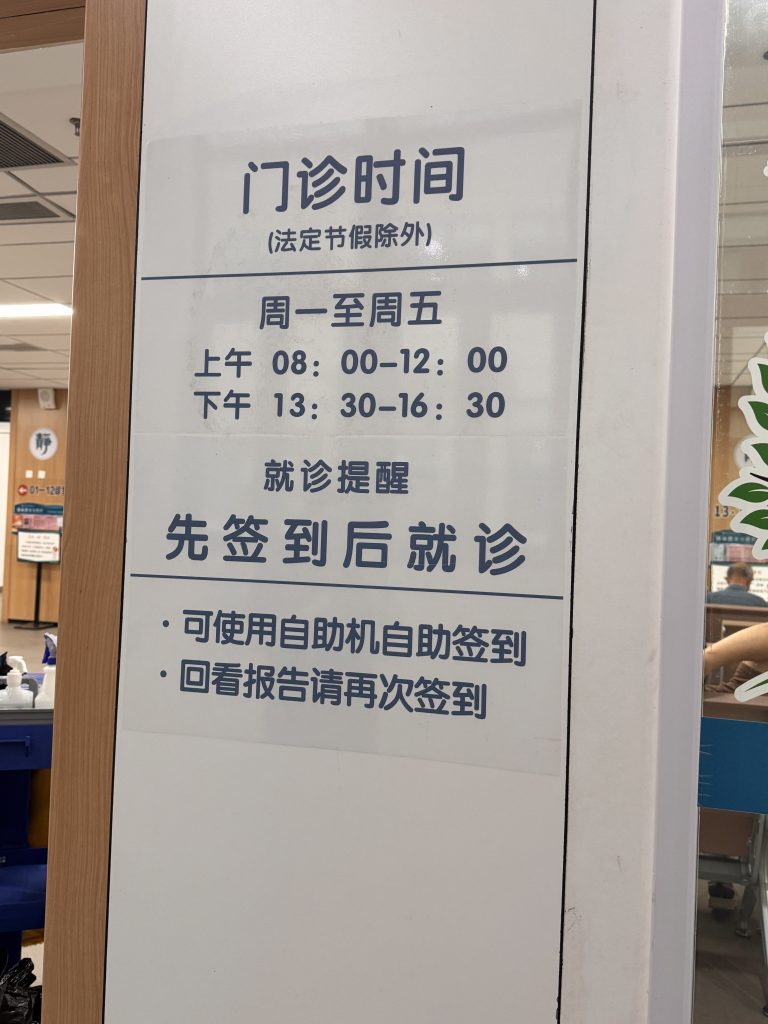
    Although appointments can normally be made through the hospital’s WeChat account or mini-program, patients who cannot use smartphones can still go directly to the service desk. By presenting their medical insurance card, staff can check their appointment information and help them obtain a number.

    For patients who have not made an appointment online, nurses can also assist them with an offline appointment.

    This challenged one of my initial assumptions. The problem is not simply “elderly people cannot make digital appointments”. In reality, hospitals have already developed offline alternatives. The more important question is whether these alternatives can continue to support patients when their difficulties become more complex.

    The Problem Beyond the Hospital

    The most significant insight came when Dr. Guo discussed patients who have difficulty physically travelling to the hospital.

    As a neurosurgery department, they often encounter patients with long-term consequences following conditions such as stroke. Some patients may have hemiplegia, severe mobility limitations or may be bedridden for long periods.

    For these patients, attending a hospital appointment can require significant physical effort and assistance from family members.

    In some cases, doctors may therefore communicate with the patient’s family or use video calls to observe the patient’s current condition, including their movement and language abilities. This allows doctors to assess whether the patient needs further treatment, hospitalisation or another follow-up appointment.

    This was particularly meaningful for my research because it shifts the problem from “How can we help elderly people use healthcare technology?” to a broader question:

    How can healthcare services support elderly and physically vulnerable patients when travelling to the hospital itself becomes a barrier?

    From Digital Accessibility to Continuity of Care

    Before this interview, I was mainly interested in the difficulties elderly people experience when interacting with digital healthcare services, such as appointment booking and hospital navigation.

    However, this interview helped me see that digital accessibility is only one part of the healthcare journey.

    For some elderly patients, the difficulty begins before they even enter the hospital. They may struggle to leave home, require a family member to accompany them, or be unable to communicate their condition independently.

    This means that an inclusive healthcare system should not only provide a simpler interface. It should also consider the entire pathway:

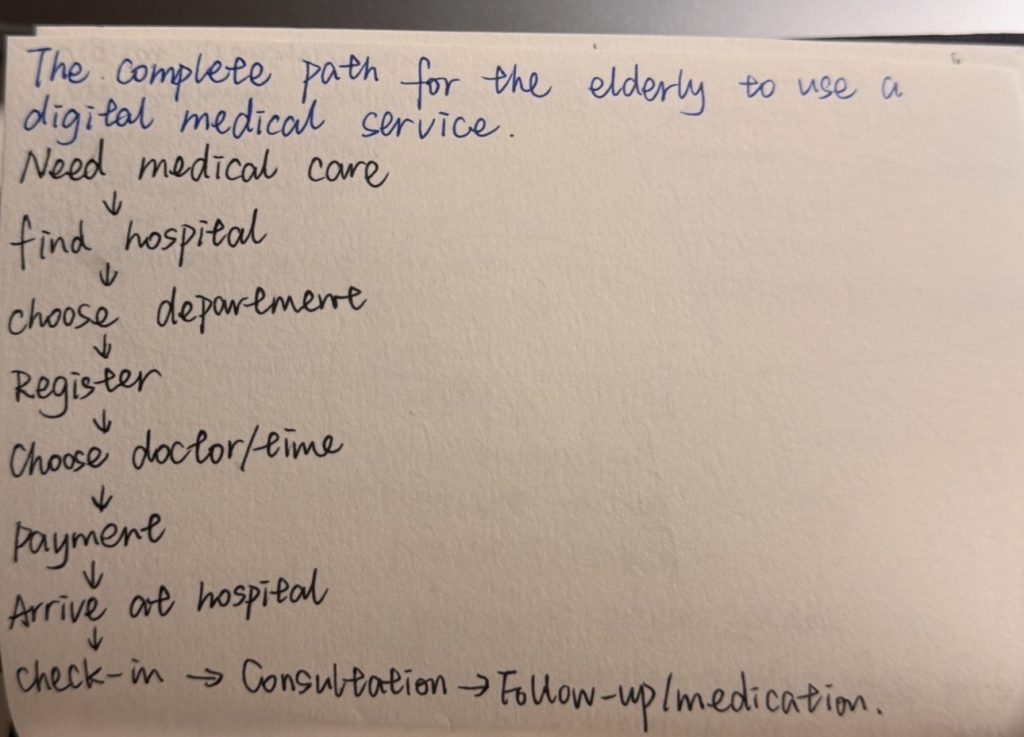
    Home → Appointment → Travel → Hospital Navigation → Consultation → Follow-up

    The interview therefore encouraged me to think beyond designing a “better healthcare app”. Instead, I am beginning to explore how digital tools, human assistance and healthcare services could work together to create a more continuous and accessible healthcare journey for older adults.

    Key Insight

    The biggest takeaway from this interview is that accessibility is not only about whether an elderly person can use technology. It is also about whether the healthcare system can adapt to their changing physical, cognitive and social circumstances.

    Existing hospital staff and volunteers already provide important forms of support, but patients with severe mobility limitations or long-term conditions may still face difficulties accessing continuous care.

    This has become an important direction for my project: rather than assuming that technology should replace human support, I want to explore how technology could connect, extend and complement the existing human support system.

    This interview helped me move from thinking about “elderly people struggling with digital healthcare” towards a broader understanding of inclusive healthcare pathways for ageing populations.

  • Exploring Older Adults’ Healthcare Journeys in China

    I made this preliminary healthcare journey map to summarise the common difficulties experienced by older adults in China when accessing healthcare. Based on three elderly interviews, one doctor interview and a small intervention, the map traces the journey from feeling unwell, finding hospital information and making an appointment, to navigating the hospital, communicating with doctors, receiving treatment and managing follow-up care. It also highlights the digital tools, family members and other forms of support involved at different stages.

    This mapping has also made me reconsider my initial assumption that the problem should be solved mainly through a digital product or app. The difficulties I identified are not only related to digital literacy, but also to hospital navigation, communication, waiting, information, and the availability of human support. Therefore, I am now exploring whether a combination of digital and human-centred solutions could provide more effective support for older adults, rather than focusing only on designing another digital tool.

    Maybe my research questions can be gradually biased to

    “How can we make the Chinese healthcare journey more understandable and navigable for older adults?”

  • A visit to an Elderly Couple-Healthcare and Family suppot

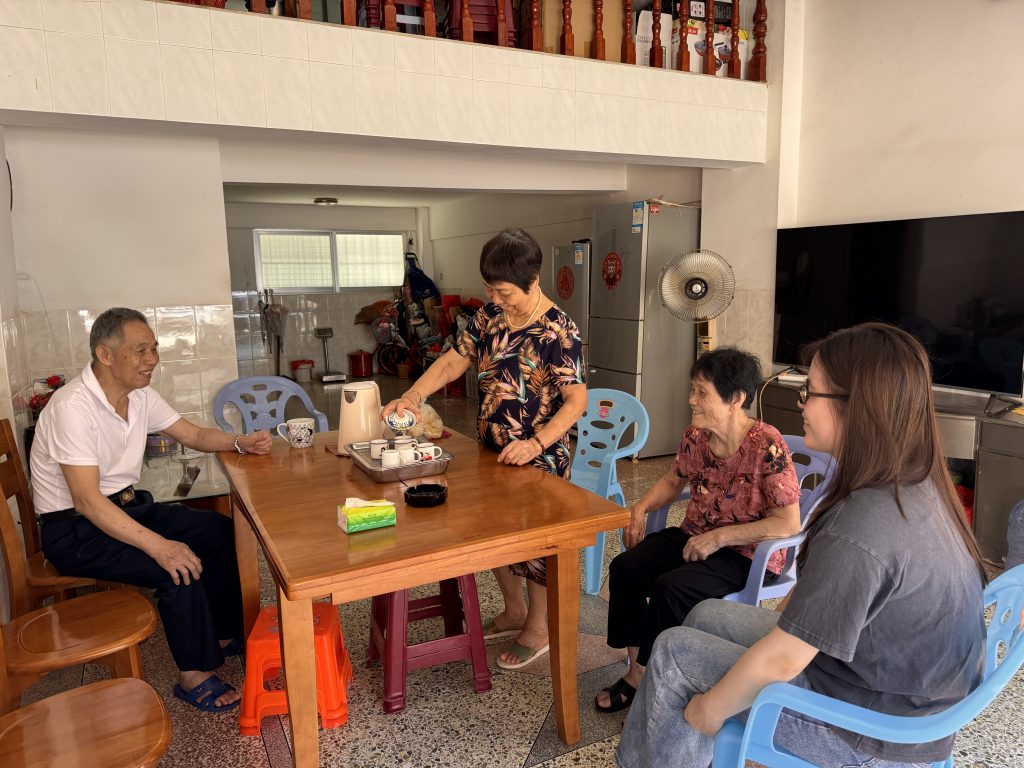
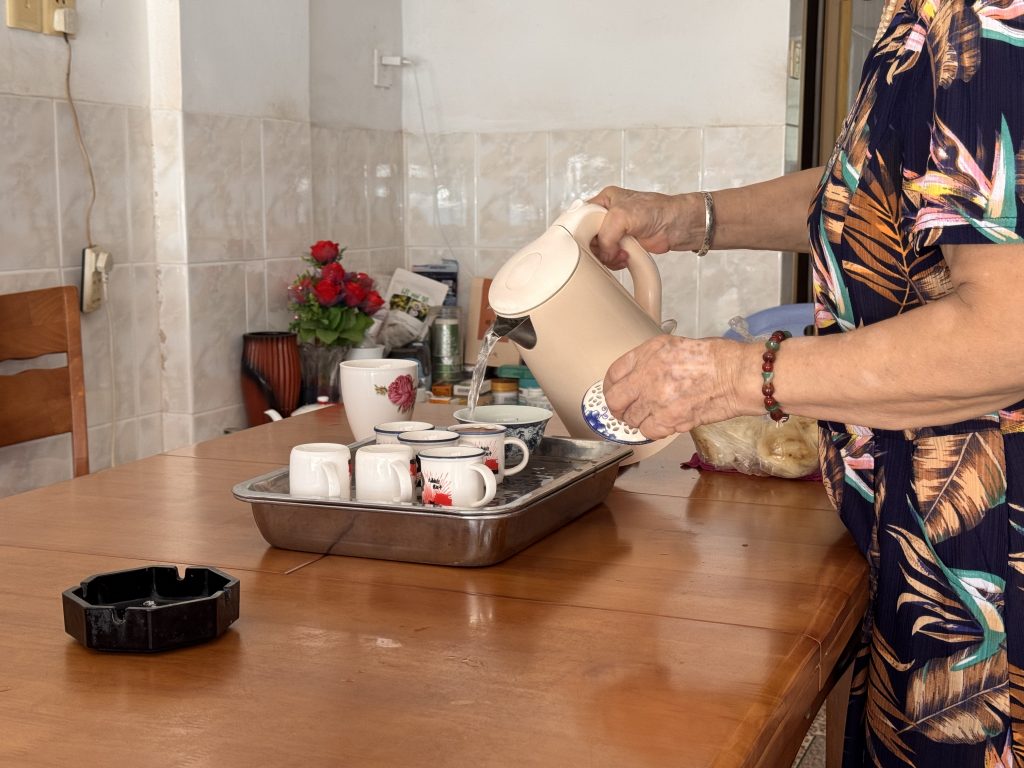
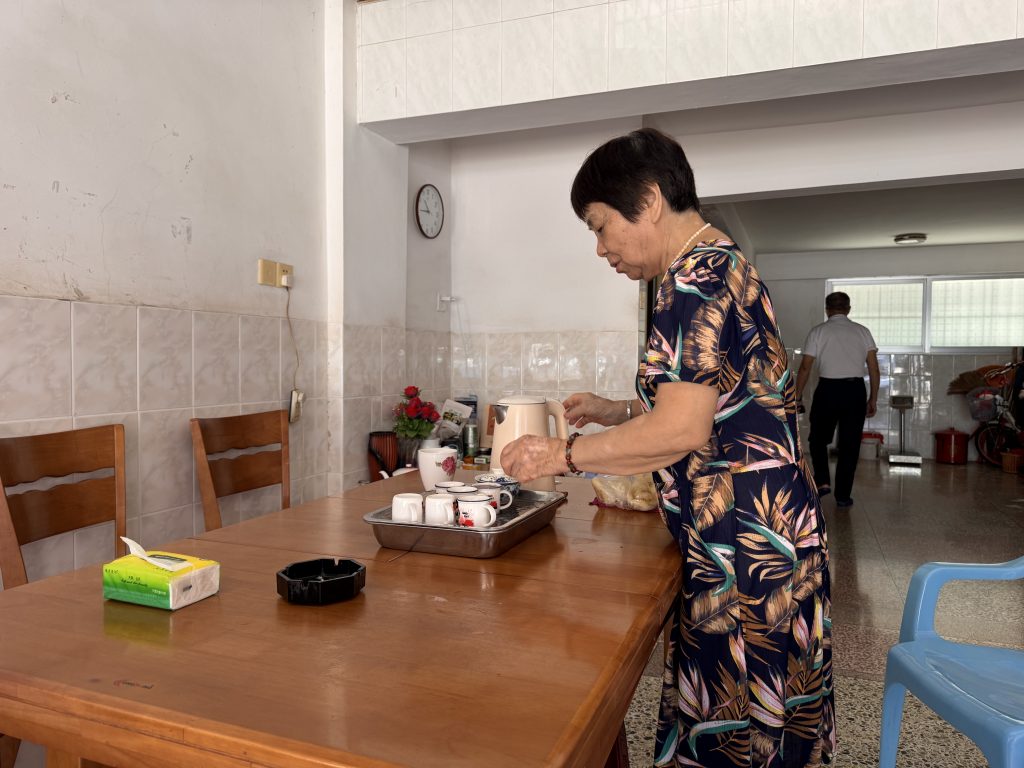
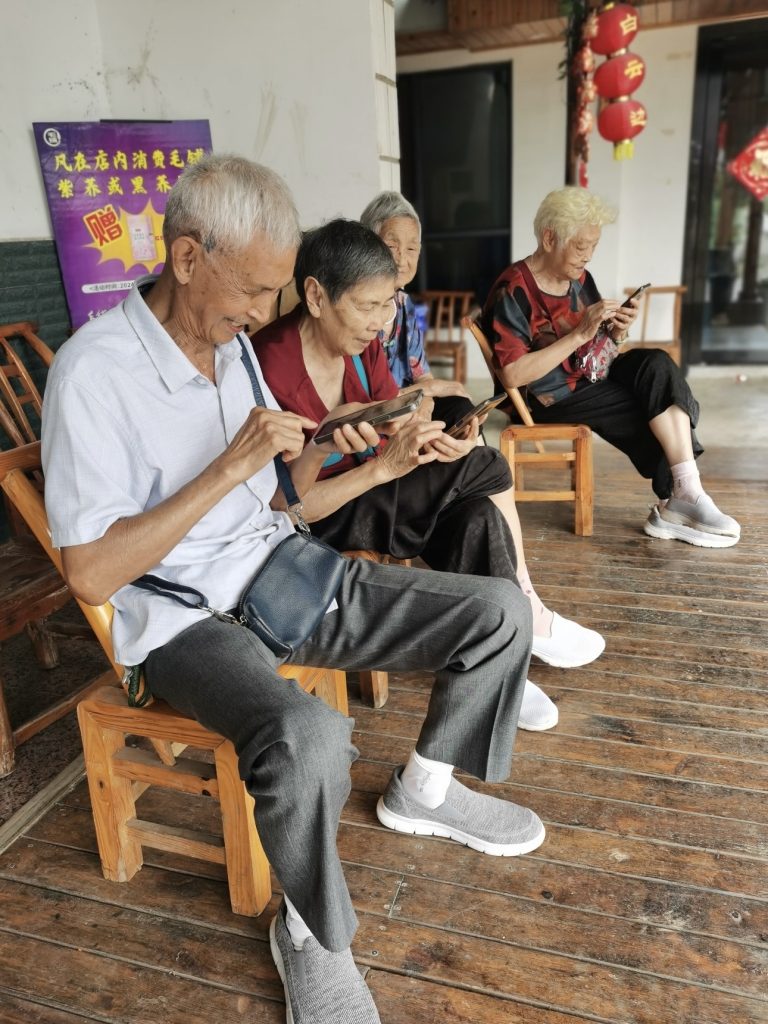
    As part of my research into older people and healthcare access, I visited the home of an elderly couple, Yuhua and her husband, who live together in their hometown. Their three children currently work in another city, so the couple lives independently most of the time.

    I chose to visit Yuhua and her husband because they live in the same community as my grandmother. My grandmother occasionally visits them to chat, which made it possible for me to meet and talk with them in a more natural and relaxed setting. Yuhua is in her 70’s, while her husband is in his 80’s. Their living situation and everyday experiences therefore provided me with a valuable perspective on how older couples manage healthcare and daily life independently.

    During our conversation, I learned that when they become unwell or need to visit a hospital, they usually rely on their children for help. They explained that they would not normally go to the hospital by themselves because they do not know which department they should visit or how the whole process works. Going to the hospital alone feels too complicated, time-consuming and stressful for them.

    Unless the situation is extremely urgent, they usually prefer to wait until their children can come home and take them to the hospital, or sometimes travel to the city where their children live to receive medical care.

    This made me realise that healthcare access is not only about whether a hospital or digital service is available. For some older people, the difficulty lies in understanding and navigating the healthcare system itself. When the process feels too complicated, family members become an essential form of support and guidance.

    What also stayed with me was the atmosphere of the visit. Yuhua warmly welcomed me into her home, made tea for us and invited me to sit down and chat. The interaction was not structured like a formal interview. Instead, it was a relaxed conversation about their everyday life and experiences.

    This informal encounter helped me understand the people behind my research more personally. It reminded me that when designing healthcare services for older people, I should not only consider their digital abilities, but also their confidence, understanding of healthcare processes, family relationships, living arrangements and existing sources of support.

    For me, this visit was a small but important reminder that healthcare accessibility is ultimately about people, relationships and everyday life—not just technology.

  • China’s Aging Population and Retirement System

    Research Background

    China is experiencing a significant demographic shift towards an ageing population. This demographic change is becoming increasingly important for healthcare, social services and the design of accessible digital systems for older adults.

    1、Who is considered an older person in China?

    Under China’s Law of the People’s Republic of China on the Protection of the Rights and Interests of Older Persons, an older person is legally defined as a citizen aged 60 or above (National Health Commission, 2018).

    This distinction is important because being an older person and being retired are not necessarily the same thing. A person aged 60 or above is legally considered an older person, while the statutory retirement age depends on employment category and is currently undergoing gradual reform.

    2、China‘s aging population

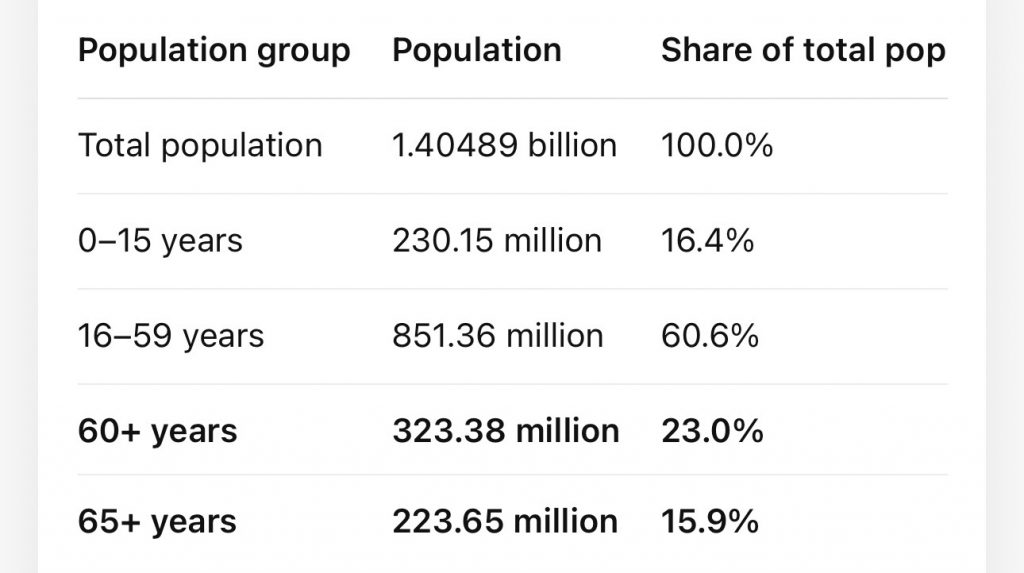
    According to the National Bureau of Statistics, at the end of 2025, China had a total population of 1.40489 billion.

    People aged 60 and above numbered 323.38 million, accounting for 23.0% of the total population. Among them, 223.65 million people were aged 65 and above, representing 15.9% of the population (National Bureau of Statistics, 2026).

    This means that approximately one in every four people in China is now aged 60 or above. The scale of the older population makes ageing an important issue not only for pensions and social care, but also for healthcare access and the design of public and digital services.

    China is also experiencing population decline. In 2025, there were 7.92 million births and 11.31 million deaths, resulting in a natural population growth rate of -2.41% (National Bureau of Statistics, 2026).

    3、 Life expectancy

    China’s life expectancy has continued to increase. According to the National Bureau of Statistics, average life expectancy at birth reached 79.25 years in 2025 (National Bureau of Statistics, 2026).

    The increase in life expectancy means that people are potentially spending a longer period of their lives in older age. Combined with the growing number of people aged 60 and above, this creates increasing demand for healthcare, chronic disease management, preventive care and accessible healthcare services.

    4、Retirement age in China

    China is currently undergoing a major reform of its statutory retirement system.

    From 1 January 2025, China began a 15-year gradual increase in the statutory retirement age. The reform will eventually increase the statutory retirement age:

    • Men: from 60 to 63
    • Women previously subject to a 55-year retirement age: from 55 to 58
    • Women previously subject to a 50-year retirement age: from 50 to 55

    The change is gradual rather than immediate. For example, from 2025, the retirement age for male employees and women previously subject to a 55-year retirement age increases by one month every four months, while the retirement age for women previously subject to a 50-year retirement age increases by one month every two months (National People’s Congress, 2024).

    The reform also introduces greater flexibility. Eligible workers may voluntarily choose early retirement within the permitted limits, while retirement can also be postponed by up to three years when the relevant conditions and agreement with the employer are met (National People’s Congress, 2024; Ministry of Human Resources and Social Security, 2025).

    5、 Why this matters for healthcare and digital inclusion?

    These demographic changes provide an important context for research into older adults and healthcare in China.

    China now has more than 320 million people aged 60 and above, while life expectancy has reached 79.25 years. At the same time, the country is experiencing population decline and reforming its retirement system.

    This suggests that healthcare systems will increasingly need to support a large and growing older population over a longer period of later life.

    For research concerning older adults, healthcare access and digital technology, the distinction between age, retirement and health status is particularly important. Not every person aged 60 or above is retired, and older adults are not a homogeneous group. Differences in age, health, digital literacy and independence may significantly affect how people access healthcare services.

    Therefore, for this research, 60 years and above is used as the primary definition of “older adults”, based on the legal definition in China, while the 65+ population can be used as an additional demographic indicator.

    Key Statistics

    • 60+ population: 323.38 million
    • Share of population aged 60+: 23.0%
    • 65+ population: 223.65 million
    • Share of population aged 65+: 15.9%
    • Total population: 1.40489 billion
    • Life expectancy at birth: 79.25 years
    • 2025 births: 7.92 million
    • 2025 deaths: 11.31 million
    • Natural population growth rate: -2.41‰
    • Legal definition of older person: 60 years and above
    • Retirement reform began: 1 January 2025
    • Final statutory retirement ages: 63 for men; 58 or 55 for women depending on the original retirement category

    The data indicate that population ageing in China is not a small or temporary demographic issue. With more than 320 million people aged 60 and above and an increasingly long life expectancy, the accessibility of healthcare services for older adults is becoming an increasingly important social and design challenge.

    In particular, as healthcare services become increasingly digitalised, accessibility should not be considered only in terms of whether older people can use technology. It should also consider whether healthcare systems are designed around the different abilities, needs and circumstances of an aging population.

    References

    National Bureau of Statistics of China (2026) ‘Statistical Communiqué of the People’s Republic of China on the 2025 National Economic and Social Development’. Available at: https://www.stats.gov.cn/xxgk/sjfb/tjgb2020/202602/t20260228_1962662.html (Accessed: 19 August 2026).

    National Health Commission of the People’s Republic of China (2018) ‘Law of the People’s Republic of China on the Protection of the Rights and Interests of Older Persons’. Available at: https://www.nhc.gov.cn/zwgk/fagui/201307/6de2e73ecd1b4cdb8530c468d431cfba.shtml (Accessed: 19 August 2026).

    National People’s Congress of the People’s Republic of China (2024) ‘Decision on Implementing Gradual Delayed Statutory Retirement Age’. Available at: https://www.npc.gov.cn/npc/c2/kgfb/202409/t20240913_439534.html (Accessed: 19 August 2026).

    Ministry of Human Resources and Social Security of the People’s Republic of China (2025) ‘Interim Measures for Implementing a Flexible Retirement System’. Available at: https://www.mohrss.gov.cn/ (Accessed: 19 August 2026).

  • Talk/Interview 11/08/2026

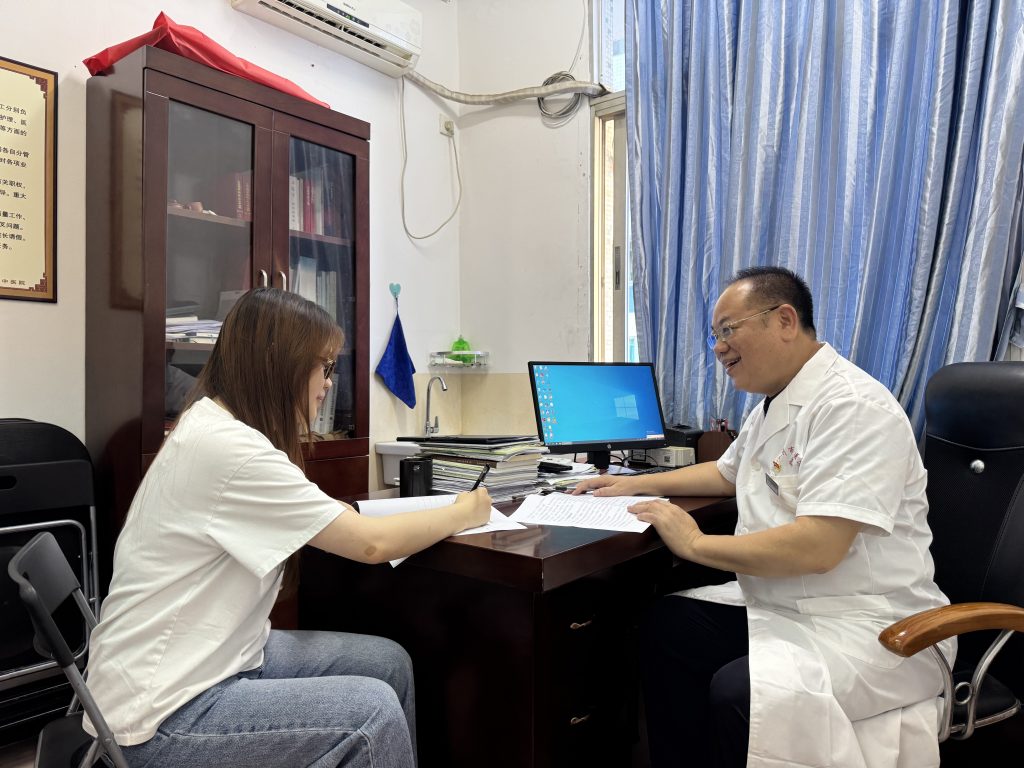
    interview with Dr.Wenbo Zhou of Traditional Chinese Medicine Hospital in Zhangzhou City, Fujian Province

    Interview with a Hospital Vice President Dr.Zhou: Rethinking Healthcare Accessibility for Older People

    As part of my research into older people and healthcare accessibility, I conducted a short interview with a hospital vice president to understand the difficulties older patients experience when seeking medical care, as well as how hospitals are currently trying to address these challenges.

    The interview made me realise that healthcare accessibility for older people is not simply a matter of whether they can use a smartphone or a healthcare app. It is a more complex issue involving digital technology, healthcare services, hospital management and the allocation of resources.

    What I Learned from the Interview

    The vice president first discussed a contradiction created by the digitalisation of modern society.

    Digital technology has made our everyday lives increasingly convenient and has improved the efficiency of how society operates. However, these systems are often designed around the abilities and speed of the majority of users.

    For older people, limitations in mobility, information processing, educational background and digital skills can make some services difficult to access. Therefore, a digital system that is convenient and efficient for younger people may actually become a barrier for some older users.

    This made me start thinking:

    Does a more efficient system necessarily mean that it is more convenient for everyone?

    Perhaps not.

    Older People May Need More Than a Simpler App

    One point from the interview that particularly interested me was that the hospital is already trying to address this issue.

    Dr.zhou explained that the hospital currently provides telephone appointment services. If an older person does not know how to use an online booking system but knows that they need to see a doctor, they can call the hospital directly and receive assistance from staff with making an appointment.

    From the perspective of an older patient, this is a very direct solution.

    They do not need to learn complicated procedures or navigate through a website, find the correct department, select a doctor and confirm a time. Instead, they can simply use something familiar to them: making a phone call.

    However, this solution also creates a practical challenge.

    Telephone appointments require staff to answer calls, check doctors’ schedules, confirm appointment times and complete the booking process manually. If a large number of older patients rely on this service, the hospital needs to invest more staff time and therefore face higher labour costs.

    This revealed an important tension to me:

    More personalised and human-centred services often require more human resources, while highly efficient digital services can potentially exclude some older people.

    Why Are Appointments More Than Just a Convenience?

    The interview also changed the way I understand hospital appointment systems.

    Previously, I thought appointments were mainly about making healthcare more convenient for patients. However, from the perspective of hospital management, appointments are also an important way of managing resources.

    For patients, appointments provide:

    • The ability to choose their preferred doctor;
    • A clear understanding of when they need to arrive;
    • Better control over their time;
    • Less uncertainty and waiting.

    For hospitals and doctors, appointments allow them to:

    • Estimate the number of patients in advance;
    • Organise doctors’ working time more effectively;
    • Manage consultation time;
    • Maintain the quality of healthcare services.

    The vice president emphasised an important point:

    Healthcare should not simply aim to see more patients. Quality should come before quantity.

    If a doctor has to see too many patients within a limited amount of time, each patient may receive less attention, which can affect communication, diagnosis and the overall healthcare experience.

    This may be particularly important for older patients.

    They may need more time to explain their symptoms, understand medical information or confirm what they need to do next.

    Therefore, if a system focuses only on speed and quantity, it may actually make healthcare more difficult for some older patients.

    The Problem Is More Complex from the Hospital’s Perspective

    The interview also helped me understand that improving healthcare access for older people cannot simply be solved by “adding more services”.

    Hospitals themselves have limitations in terms of resources and costs.

    For example, providing a dedicated telephone appointment service requires staff to answer calls, check doctors’ availability, confirm appointment times and operate the hospital’s booking system.

    This means:

    More human support = Higher labour costs.

    Therefore, the ideal solution cannot simply be:

    “We should provide more human assistance for older people.”

    Instead, we need to think further:

    How can we provide older people with accessible ways of entering the healthcare system without creating unsustainable additional costs?

    This is one of the most valuable insights I gained from the interview.

    My Reflection

    Before this interview, I mainly understood the problem through the concept of the digital divide.

    My thinking was relatively simple:

    Older people struggle to use digital healthcare platforms → therefore, they have difficulty accessing healthcare services.

    However, this interview made me realise that the problem is much more complex.

    I now see it more as an issue of service inclusion.

    Instead of only asking:

    “How can we teach older people to use digital technology?”

    We should also ask:

    “Can healthcare systems provide different ways for people with different abilities to access the same service?”

    Some people may prefer using an app. Others may feel more comfortable making a phone call, while some may need face-to-face assistance.

    These approaches do not necessarily need to replace one another. They can function as different entry points into the same healthcare system.

    A Small Conclusion

    This interview shifted my thinking from digital exclusion towards the design of the service system itself.

    The difficulty older people experience may not simply be because they are “not good with technology”. Instead, many modern services are designed around an ideal user: someone who can read quickly, understand information, use a smartphone, complete online processes and make decisions independently.

    But real users are much more diverse.

    Some people need more time. Some need human assistance. Some feel more comfortable communicating by telephone.

    Therefore, truly inclusive healthcare does not necessarily mean creating a completely separate system for older people. Instead, online services, telephone services and human support could work together as complementary pathways.

    This also gives me a new direction for my intervention.

    Rather than designing another healthcare app, I want to explore how different service channels can work together, allowing older people to access healthcare in a way that is familiar, understandable and manageable for them.

    The most important insight I took from this interview is:

    We should not only ask older people to adapt to the healthcare system. We should also ask how the healthcare system can adapt to different users.

  • Intervention 07/08/2026

    Small Intervention: Testing Older Adults’ Experience with a Digital Healthcare Interface

    Intervention

    I conducted a small intervention with four participants to explore how older adults interact with digital healthcare services. Rather than asking only whether they “can use an app”, I asked each participant to complete a simple task: find a hospital department and make an appointment using a healthcare interface.

    I observed where they hesitated, what they misunderstood, and which information they looked for first. I then showed them a simplified version of the same interface and asked them to repeat the task.

    Participants

    I tested four participants with different levels of digital experience:

    • Participant 1: 60s, regularly uses WeChat and mobile payment.
    • Participant 2: 60s, uses a smartphone mainly for calls and messaging.
    • Participant 3: 70s, uses WeChat but rarely uses healthcare apps.
    • Participant 4: 70s, relies on family members for most online healthcare services.

    Observations and Results

    The first important finding was that smartphone ability did not directly predict healthcare interface confidence. Participant 1 was very comfortable using WeChat and mobile payment, but still hesitated when using the healthcare interface because there were too many categories and unfamiliar terms.

    Participant 2 had difficulty identifying where to begin the appointment process. They repeatedly returned to the previous page and asked whether they had selected the correct department.

    Participant 3 understood the basic buttons but found the medical terminology difficult to interpret. They were more concerned about “choosing the wrong thing” than about physically operating the phone.

    Participant 4 depended heavily on verbal confirmation and asked for reassurance before pressing the final confirmation button.

    When using the simplified interface, all four participants completed the task more easily. The most noticeable improvement came from reducing the number of choices on the first screen, using clearer language, and making the next step more visually obvious.

    Reflection

    This intervention changed my understanding of the problem. I initially expected the main barrier to be digital literacy, but the test suggested that the problem may be more closely related to how healthcare information is communicated through digital systems.

    The participants were not necessarily unable to use smartphones. Instead, they became uncertain when the interface introduced unfamiliar medical language, too many choices, or unclear consequences of their actions.

    This makes me question whether my research should focus specifically on “older adults and technology” or more specifically on the communication gap between older adults and digital healthcare systems.

    My next step will be to investigate this communication gap further and test whether similar difficulties appear across different stages of the healthcare journey.

  • Tutorial Reflection-2 24/07/2026

    My biggest gain is to re-understand the Communication Gap between the medical system and the elderly.

    In the past, I thought the problem mainly came from technology – the elderly would not use smartphones or medical apps. But the teacher made me realise that the real obstacle is not only the technology, but also the way the medical system expresses information, and there is a difference between the way the elderly understand the information.

    Medical platforms usually use technical terms, complex processes and default users with certain numerical experience. When faced with these contents, many elderly people will give up using them because they are worried about making mistakes, not understanding medical vocabulary, unable to judge the next step, and even for fear of causing losses. Therefore, what they really need is not just larger fonts or simpler buttons, but a way of communication that can build understanding and trust.

    Another concept that impressed me was Implicit Needs.

    In the interview, the elderly participants may say, “The words are too small” and “The page is too complicated”. These are explicit needs. But the teacher reminded me that what researchers really need to think about is the reasons behind these superficial problems.

    For example, what they are really worried about may not be the font, but the fear of operational errors, lack of understanding of system feedback, inability to judge whether the appointment is successful, or lack of trust in digital medical care itself. Compared with directly modifying the interface, these deeper psychological and communication problems are the content that design research really deserves attention.

    In the tutorial, there is another question that makes me think:

    Why can many elderly people be proficient in using daily digital platforms such as WeChat and Alipay, but can’t use medical platforms smoothly?

    Many elderly people have been able to send WeChat messages, use voice chat, scan codes to pay, and even obtain information through short videos. It’s not that they can’t use smartphones, but they encounter new obstacles when facing the medical system.

    In addition to continuing to interview the elderly, I should also increase interviews with doctors or medical workers and conduct observation studies as much as possible. Compared with the interviewee’s description of himself in the interview, real observation of the interaction between doctors and patients and the actual operation process of the elderly can find more behavioural problems and communication faults.

    Why can the elderly be proficient in using daily digital platforms, but it is difficult to use digital medical systems? What is the essential difference between the medical platform and the platform they already trust?

    I plan to reorganize the research questions, analyse the explicit and implicit needs in the interview, increase doctor interviews, compare the interaction differences between WeChat, Alipay and medical platforms, and further understand the experience of the elderly in real medical scenarios in combination with observation and research.